Vote.gov and Poll Hours: A Practical Guide for November 3
With polls open across the country, voters can confirm locations, ID rules, and mail ballot deadlines through federal resources.
By Chioma Kuznetsov ·

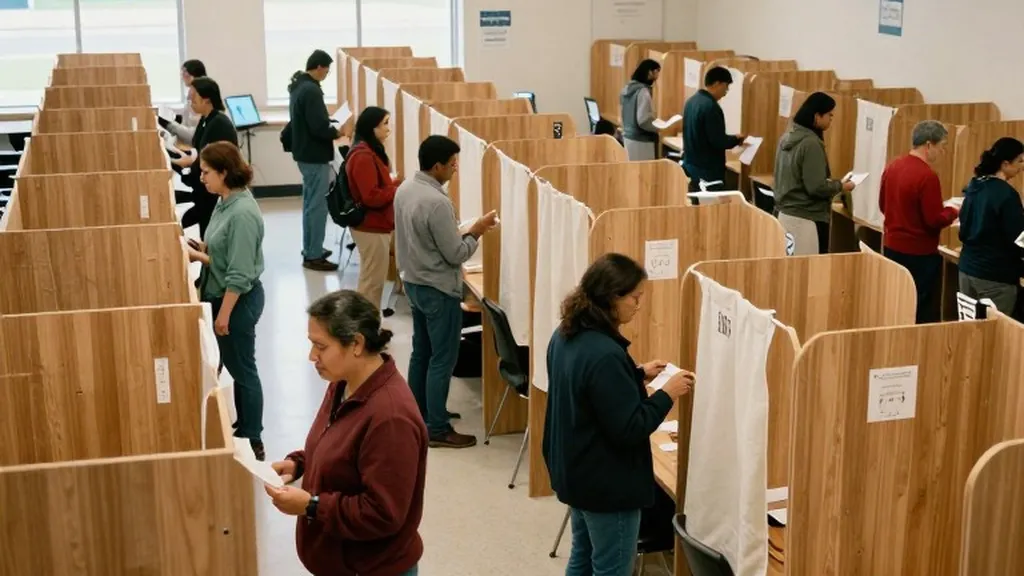
Election Day is here, and voters across the United States are heading to polling places or waiting for mail-in ballots to be processed. The Associated Press notes that more than 57 million people had already voted as of Monday, surpassing early vote totals from four years ago in many closely watched states. As the day progresses, attention turns to the practical logistics of casting a vote, from finding the correct location to understanding specific identification requirements. The United States government’s official portal, vote.gov, serves as the primary resource for locating polling places and checking state-specific rules. This platform aggregates data from state election offices to help citizens navigate the various administrative hurdles of midterm voting.
Polling hours vary significantly by state, and knowing the exact opening and closing times is essential for planning a trip to the polls. Hours range from 6 a.m. To 8 p.m. In many jurisdictions, but some states have different schedules. For example, New York polls open at 6 a.m. And close at 9 p.m., providing a wide window for voters. In contrast, Indiana and Kentucky operate on a 6 a.m. To 6 p.m. Schedule. States like Florida and Georgia open at 7 a.m. And close at 7 p.m. Local time zones apply, so voters in different parts of a large state may have different effective voting windows.
Identification rules also differ by state, and voters are advised to check their specific requirements before arriving at the polling place. Ballotpedia indicates that ID rules vary, and some states require photo identification while others accept non-photo forms such as utility bills or bank statements. Voters should consult their state election office or the vote.gov website to confirm what acceptable forms of identification are needed. Bringing the correct ID can prevent delays or potential issues at the polling place, ensuring a smoother voting experience for all citizens.
Staying in line is a critical right for voters, and federal guidelines protect this process. Any person in line when polls close is entitled to cast a ballot. This rule is designed to accommodate last-minute voters and those who may arrive as the closing time approaches. Voters should be prepared to wait if lines are long, especially in high-traffic urban areas. The right to stay in line ensures that every eligible voter has the opportunity to participate in the democratic process, regardless of when they arrive at their polling place.
Mail ballots remain a significant part of the election, particularly in states where voting is largely conducted by mail. California, Colorado, Hawaii, Nevada, Oregon, Utah, Vermont, and Washington rely heavily on mail-in voting. The United States Postal Service has added hours, staff, and special lines to ensure that mail ballots are counted on time. This logistical effort is crucial for processing the high volume of ballots expected in this midterm election. Voters using mail-in ballots should verify deadlines and tracking information to ensure their votes are received and counted.
Federal courts have recently intervened in election administration, impacting how some states handle voting logistics. A federal judge temporarily barred the Trump administration from carrying out a plan to prevent noncitizen voting, which critics say could risk disenfranchising eligible voters. Additionally, a judge ordered the administration to stop demanding that California election officials segregate ballots cast by people on lists of suspected noncitizens. These legal moves add a layer of complexity to election day operations, particularly in states like California and Alaska, where the administration has filed lawsuits related to certification and voter eligibility.
Voters can use vote.gov to find their specific polling place and check for any updates or changes to election administration. The site provides links to state election offices, which are the authoritative sources for local rules and procedures. It is important for voters to verify their registration status and polling location well in advance of election day. The portal also offers information on early voting and mail-in ballot deadlines, helping voters choose the method that best suits their schedules and preferences.
The mood among voters is a mix of anticipation and frustration, with many citing high prices and economic concerns as key issues. The election is a referendum on the president’s second term, with voters struggling with economic conditions. Republicans were bracing to lose the House while fighting to hold the Senate, and Democrats were cautiously optimistic. This political atmosphere underscores the importance of turnout, with party leaders emphasizing the need to mobilize voters. The practical steps of voting, from arriving at the right location to presenting the correct ID, are now the focus for millions of Americans.
Wall Street is also watching the election, with Reuters noting that results could add to investor concerns about artificial intelligence spending and debt ceiling negotiations. The outcome of this midterm will determine control of Congress for the final two years of the current presidential term. House Democrats need a net gain of three districts for a majority, while Senate Democrats need a net gain of four seats. These numerical targets highlight the competitive nature of the races, with battleground districts in states like Georgia, Michigan, and Pennsylvania playing a pivotal role in determining the final tally.
As the day moves forward, voters will continue to cast their ballots in polling places across the country. The combination of in-person voting and mail-in ballots ensures a diverse and robust participation in the democratic process. The United States Postal Service’s added resources and the legal clarity provided by recent court orders aim to facilitate a smooth and efficient election day. Voters are encouraged to use available resources like vote.gov to stay informed and prepared, ensuring that their voices are heard in this critical midterm election.