Texas Map Shifts Test GOP Hopes
Around 35 million voters will cast ballots in newly drawn districts this Tuesday, with Texas serving as the primary battleground for congressional control.
By Aiko Soto ·
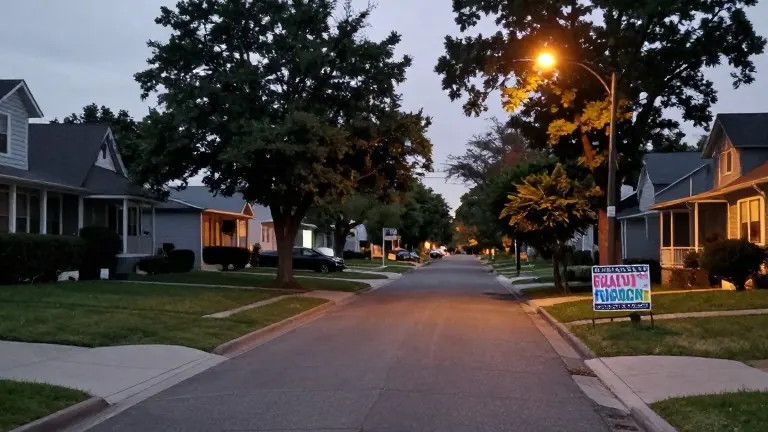
Approximately 35 million American voters will cast ballots in newly redrawn congressional districts during the November 3 midterm elections. This wave of redistricting represents a major test for political parties seeking to adjust their legislative strength outside of standard census cycles. Texas sits at the center of these changes, where Republicans aim to secure at least five additional seats through revised boundaries.
The party’s strategy relies heavily on shifting Latino voter support. However, recent polling indicates that President Donald Trump’s popularity with that demographic has declined since 2024. This drop in support stems partly from economic dissatisfaction and an aggressive federal deportation campaign. Consequently, the projected net gain of at least 13 seats nationwide may be smaller than initially calculated.
In Houston’s Sunnyside neighborhood, the map changes have altered local representation. The area, home to Mount Hebron Missionary Baptist Church, moved from the ninth congressional district to the Black-majority 18th district. This shift occurred after Texas Republicans redrew the map last year following an appeal from the president. Democrat Al Green, who represented the ninth district for two decades, lost a primary to incumbent Christian Menefee.
The move left Houston with one fewer Black representative in Congress and made the ninth district more competitive for Republicans. Pastor Max Miller, who has led Mount Hebron for 18 years, views the change as a retreat on civil rights. Michael Adams, a professor at Texas Southern University, noted that the loss could make a large portion of Houston’s Black electorate feel less represented.
Similar map changes occurred in Missouri, North Carolina, Tennessee, Louisiana, Alabama, Florida, and Ohio. Democrats successfully redrew districts in California, while a court-ordered map in Utah created a favorable seat for them. A Democratic effort in Virginia was invalidated. These changes follow a legal shift where the Supreme Court now requires challengers to prove racist intent to overturn maps, a standard critics say makes racial gerrymandering harder to challenge.
Democratic organizers are targeting the ninth district in response to these shifts. Dayana Iza, director of Mi Familia Vota in Texas, stated that the district’s large Latino population includes many infrequent voters. Her organization has directed resources toward increasing participation in this specific contest. Candidates Leticia Gutierrez and Molly Cook canvassed eastern Houston on the Saturday before the election.
Voters in the area expressed concerns about affordability and healthcare. Christian Garcia, a 53-year-old chemical plant worker, voiced distrust of politics and worry over his retirement and children's financial future. Esmeralda Gil, a 39-year-old teacher, called for affordable housing and better healthcare options. These local concerns drive the current push for Democratic gains in the region.
More Politics · World news · Report a business · Got a Story?