El-Sayed backs Trump's cut to Israel military funding
The new Michigan senator called the move correct and said the U.S. should also stop selling weapons to Israel.
By Ayanda Boateng ·
Abdul El-Sayed called for the United States to end its arms sales to Israel on Tuesday.
The new U.S. senator from Michigan spoke to Morning Edition after winning his seat. He said he welcomed President Trump's announcement. Trump proposed ending about $4 billion in annual military aid to Israel by the end of the year. El-Sayed said he believed the president was right on this policy.
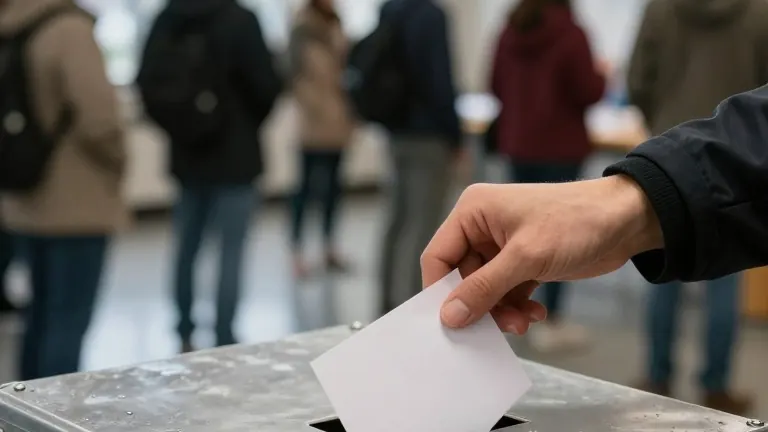
The 42-year-old Democrat defeated Republican Mike Rogers in a race that featured heated debates over the war in Gaza. Rogers, who had Trump's backing, attacked El-Sayed for his Muslim faith and his stance on U.S. military support for Israel. Haley Stevens, whom El-Sayed beat in the Democratic primary, endorsed Rogers days before the vote. The two candidates disagreed sharply on the issue during the general election campaign.
El-Sayed now finds himself aligned with the president on this specific policy point. The current agreement provides Israel with $3.8 billion in annual military aid through 2028. Trump offered no details on how the cuts would be implemented. El-Sayed went further in his remarks. He said he wants the U.S. to stop selling weaponry that gets used to do the worst things, including genocide and apartheid, to Israel.
His critique extends to other nations. El-Sayed questioned U.S. military support for Egypt, Saudi Arabia, Jordan, and Pakistan. He argued that American tax dollars should be spent at home. The senator emphasized that his position is not limited to one country's relationship with the United States.
Winning the Michigan seat did not erase all divisions within his party. Before the election, NPR's Michel Martin heard concerns from some Jewish and Black voters in Michigan. They expressed doubts about El-Sayed's standing with those communities. When asked if he still had work to do to win their support, El-Sayed said the election results challenged that narrative.
He acknowledged that the political landscape is complex. There is always more work to do, he said. There is always more to build and more conversations to have. The senator took the stage as the first Muslim elected to the U.S. Senate from Michigan. He campaigned on lowering costs, Medicare for All, and getting corporate money out of politics.