Political Lexicon: Arabic Terms Enter US Senate Rhetoric
Arabic speakers in the Middle East reacted with humor to Abdul El-Sayed's victory speech, which addressed Vice President JD Vance with the word 'habibi.'
By Aiko Soto ·
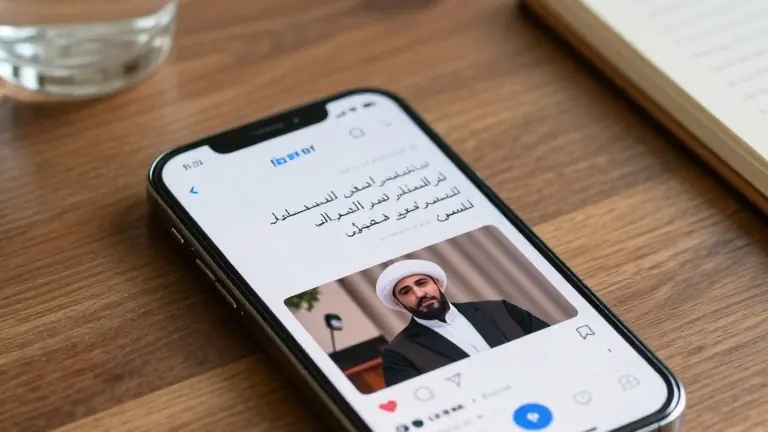
Abdul El-Sayed addressed Vice President JD Vance as "JD, habibi" during his victory speech, introducing a common Arabic term of affection into the national political discourse. The senator-elect, who will become the first Muslim American to serve in the U.S. Senate, used the phrase to respond to campaign rhetoric from the right. Vance had previously warned that El-Sayed would lead rioters in burning down Detroit. El-Sayed noted the constitutional obligation for the vice president to swear him in during January.
The word "habibi" translates literally to "my beloved" and appears frequently in Arab pop music. In daily conversation, it functions similarly to "buddy," "pal," or "bro." El-Sayed’s supporters have worn shirts with the slogan "Habibi for Abdul." The candidate, the son of Egyptian immigrants, stated that his campaign shifted the common phrase "inshallah," meaning "God willing," to "hamdulillah," which means "thank God."
Social media users across the Arab world shared clips of music videos featuring the word "habibi." One user on X posted a video of Egyptian singer Shireen Abd El-Wahab dancing to a popular track, joking that El-Sayed would adopt it as the new national anthem. Egyptian cultural figures are known for using humor to address difficult circumstances, a tradition visible in local films and comedy acts.
Khalil al-Anani, an Egyptian academic, posted on X that "'Habibi' is the sweetest word." He thanked the senator-elect for bringing joy to Egyptians. Other users shared a meme from an Egyptian film where a character laughs uncontrollably at a funeral, captioning the post with the line, "I came here to crack jokes." The reaction provided a moment of levity in a region dealing with ongoing conflicts and negative Western stereotypes.
Arab and Muslim Americans have faced decades of prejudice, including film depictions of them as terrorists and political arguments about the imposition of sharia law. President Donald Trump called El-Sayed a "jihadist" during the campaign and referenced the Sept. 11 attacks. He also misstated El-Sayed's name. In response, social media users posted light-hearted videos, including Lebanese singer Haifa Wehbe belly dancing and young veiled women breakdancing in the street.
El-Sayed addressed Trump’s remarks in his victory speech. He said, "Donald, look, I know you've struggled with my name." He added that after Vance swears him in in January, Trump can address him as "senator." The exchange concluded the candidate’s public address, marking a shift in how Arabic terms are integrated into American political communication.
More Business · Consumer Watch · Report a business · Got a Story?