435 House seats decide next congressional balance
With 60 million ballots already cast, the outcome will shape President Trump's legislative path for the next two years.
By Chioma Kuznetsov ·

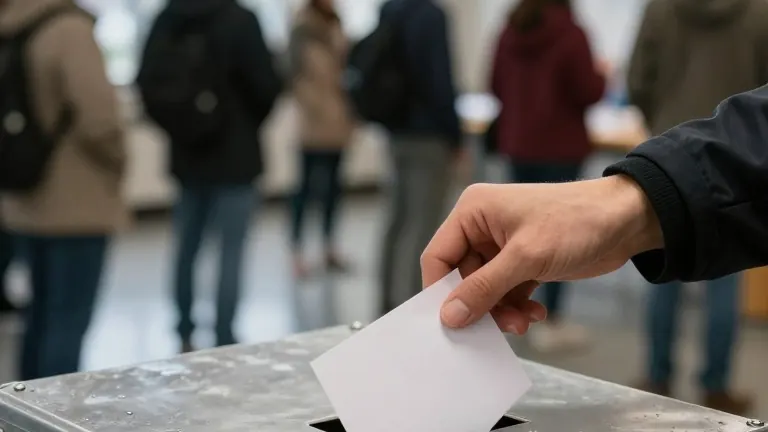
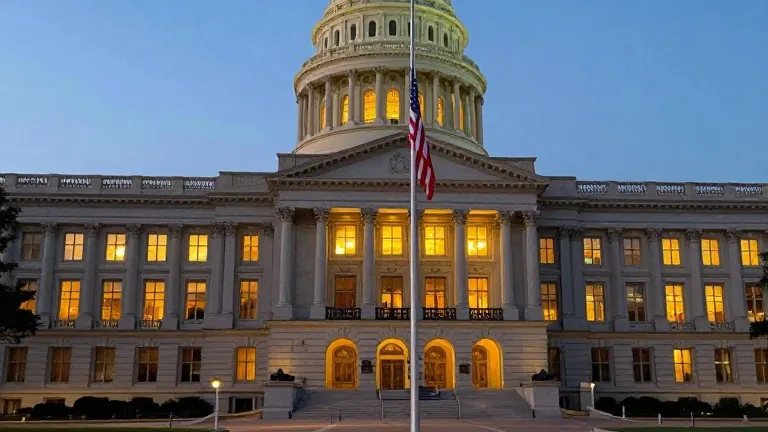
Americans voted on Tuesday to decide the composition of the next Congress.
All 435 seats in the U.S. House and 35 Senate seats were on the ballot, along with hundreds of local races. The results determine which party holds the majority in both chambers. This control directly shapes President Donald Trump's ability to advance his agenda during the next two years.
Nearly 60 million Americans cast ballots before Election Day, either through early in-person voting or by mail. That figure represents a portion of the roughly 250 million Americans eligible to vote, according to the Pew Research Center. Early voting totals alone do not reveal which party is gaining ground, as party affiliations do not always represent which candidates voters supported.
The Justice Department deployed approximately 1,000 election monitors and observers across all 50 states. This marks the department's first monitoring effort to reach every state. Their work includes monitoring compliance with federal voting rights laws, including protections against voter intimidation and requirements ensuring access for voters with disabilities.
Once polls close, control of Congress may remain unsettled beyond election night. Close contests and the time needed to count outstanding ballots could delay final results.