57 million early votes shift 2026 midterm power balance
Record early turnout fueled Democratic gains as Republicans scrambled to rebuild leadership after losing their House and Senate majorities.
By Chioma Kuznetsov ·

The 2026 midterm elections concluded with a decisive shift in congressional power, driven by record-breaking early voting numbers. A total of 57 million Americans cast their ballots before Election Day, setting the stage for significant changes in the composition of the House and Senate. This surge in early participation proved to be a critical factor in the final results, altering the political landscape for both major parties. The volume of early votes indicated a high level of civic engagement that outpaced previous midterms in the last decade. As the results were tallied, the early vote totals underscored the importance of the ground game in modern American elections. Both parties had developed specific strategies to capture this early electorate, with Democrats emphasizing registration drives and Republicans focusing on retention efforts in key districts.
Democratic leaders cited the early vote totals as evidence of a sustained surge in grassroots mobilization. They argued that their ground game successfully engaged voters who typically wait until the final days to vote. The party viewed the 57 million early ballots as a validation of their long-term investment in voter education and registration drives. Democratic strategists noted that the early turnout was particularly strong in suburban and urban areas, where the party has historically faced stiff competition. This success allowed Democrats to claim a victory in the narrative of voter enthusiasm, suggesting that their message resonated with a broad coalition of independent voters. The early vote data provided a clear signal of momentum that carried through to the final results on Election Day.
Republican officials acknowledged the scale of the early voting effort while emphasizing the strength of their retention efforts in certain regions. They argued that their ground game was effective in holding key seats despite the overall shift in power. Party leaders pointed to specific districts where early voting numbers were high but still resulted in a narrow loss, suggesting that the race remained competitive until the end. The Republican strategy focused on maintaining a strong presence in rural and exurban areas, where early voting patterns can vary significantly. Despite the overall defeat, some Republican strategists noted that their early vote performance was better than in previous midterms, indicating a growing base of early voters within their ranks. This perspective helped frame the results as a setback rather than a total collapse of the party's organizational infrastructure.
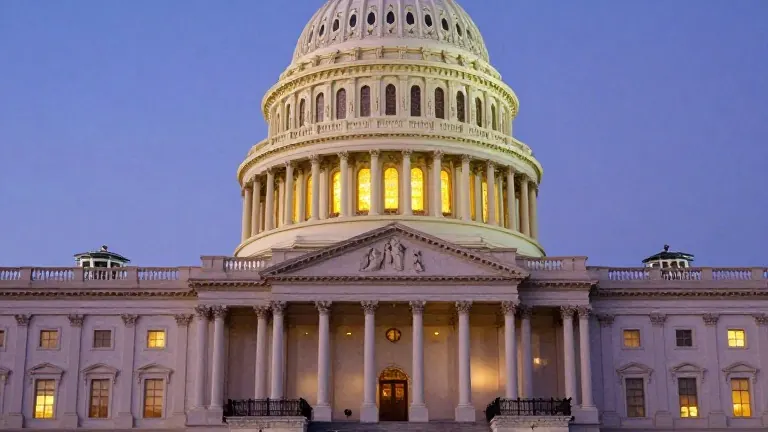
The final results confirmed a loss of the majority for the Republican Party in both chambers of Congress. The House of Representatives saw a significant shift, with Democrats securing enough seats to control the chamber. In the Senate, Republicans lost their majority, forcing them into the minority position for the next two years. This dual loss marked a comprehensive Democratic victory in the 2026 midterm elections. The change in control meant that Democrats would set the legislative agenda and hold the keys to committee assignments in the new Congress. For the Republicans, the loss of power required an immediate reevaluation of their strategy and leadership structure. The results were final, with no major contests remaining in doubt, solidifying the new balance of power in Washington.
In the Senate, the party leadership faced immediate questions about its future direction. Senator John Thune of South Dakota was expected to remain as the Republican leader, despite the significant losses. However, some colleagues called for a period of reflection before making final leadership decisions. Senator Ron Johnson of Wisconsin argued that the defeat demanded a change in approach, suggesting that the party needed to engage in deeper self-examination. He circulated a letter to his colleagues asking for a delay in the leadership elections to allow for a more thorough discussion. Thune responded by stating that the conference would have a robust conversation about their future path. He emphasized that the decision ultimately rested with the Republican senators, who would determine the best course of action moving forward.
In the House, Republicans began the process of selecting a new leader for their minority caucus. The race was between Steve Scalise of Louisiana and Jim Jordan of Ohio. Scalise, a veteran of the House leadership, emphasized his experience in passing legislation and his fundraising capabilities. He highlighted his role in securing recent legislative wins and his ability to raise substantial funds for future campaigns. Jordan, the chairman of the Judiciary Committee, focused on his readiness to defend the party in oversight hearings. He argued that the new Democratic majority would be aggressive in its investigations, requiring a leader who was battle-tested in committee work. Both candidates presented themselves as strong choices to lead the party back to a majority in the 2028 elections.
The ground game played a crucial role in determining the outcome of the 2026 midterms. Both parties invested heavily in early voting efforts, recognizing that the majority of votes would be cast before the final day. The 57 million early ballots reflected the success of these efforts, with Democrats generally outperforming Republicans in total volume. This disparity in early turnout was a key driver of the final results, as it allowed Democrats to build a substantial lead in many competitive races. The data showed that early voters were more likely to support Democratic candidates, contributing to the overall shift in power. The effectiveness of the ground game in both parties highlighted the importance of sustained voter engagement in modern elections.
Leaders from both parties offered quotes that reflected their contrasting views on the results. Democrats expressed confidence in their ability to govern with a new majority, promising to work on key legislative priorities. Republicans acknowledged the need for change while emphasizing their commitment to holding the administration accountable. The quotes from both sides underscored the ongoing debate about the best strategy for the next two years. As the new Congress prepares to convene in January, the lessons from the 2026 midterm elections will shape the political landscape. The record early vote totals serve as a reminder of the power of the American electorate in determining the direction of the country.