Democrats secure 54-44 Senate majority after historic midterm shift
The party of the minority gained seven seats to take control, marking a significant wave election against the president's party.
By Chioma Kuznetsov ·
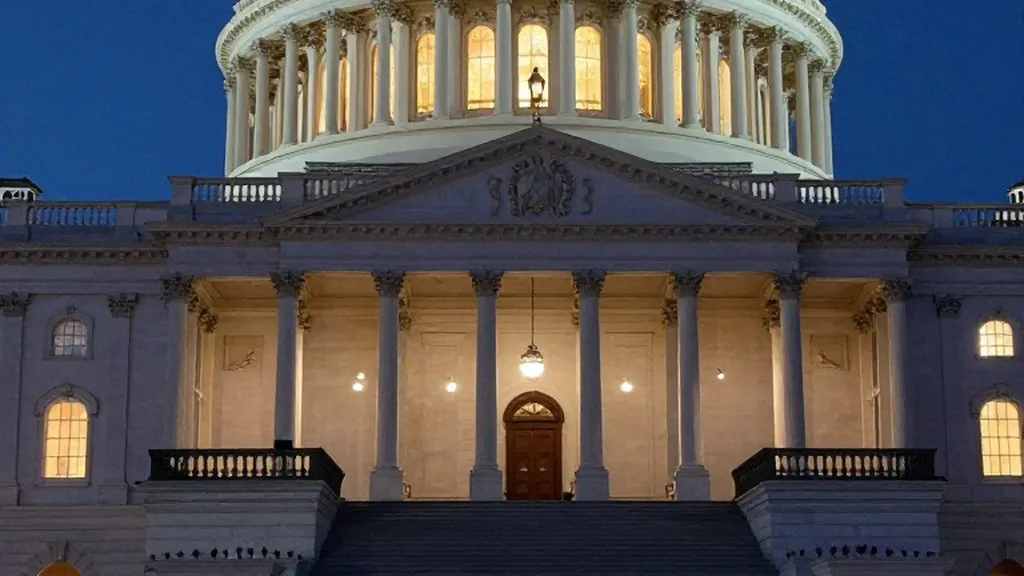
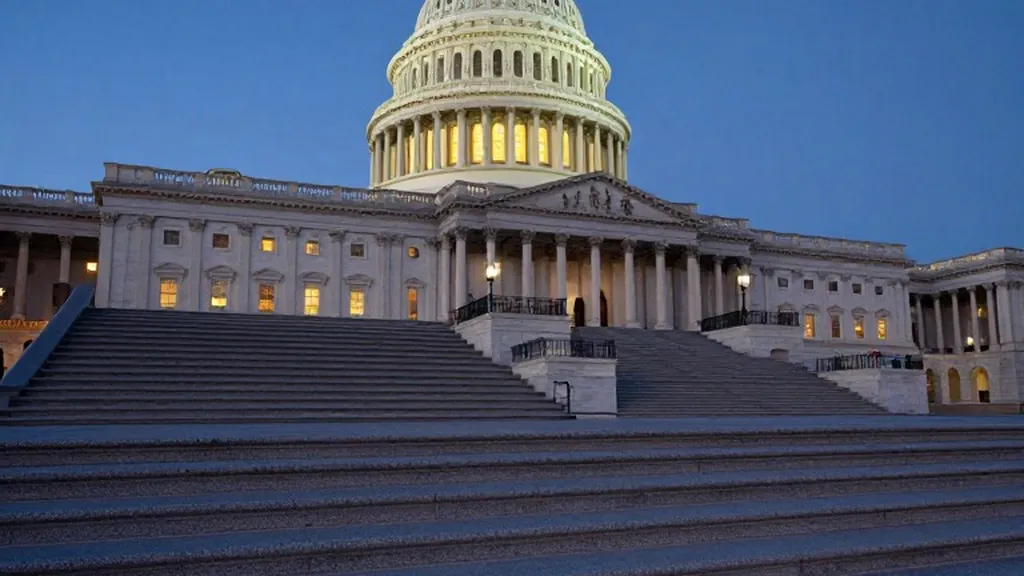
The United States Senate is now controlled by the Democratic Party following the midterm elections held on November 3, 2026. As of 4:00 PM Eastern Time on November 6, Democrats held a 54 to 44 majority in the upper chamber. This outcome resulted from the Democratic Party winning seven U.S. Senate seats that were previously held by Republicans. The shift in power represents a significant change in the legislative landscape and marks the first time since before the 2010 elections that Democrats held a majority in the Senate.
The loss of at least seven seats for the Republican Party places this election cycle in the top 20 percent of election years in terms of seat swings against a president's party. According to historical data, this threshold defines a wave election. The magnitude of the shift was substantial, as all seven seats gained by the Democrats were previously held by Republicans. This result contributes to a broader trend where Democrats also won majorities in the U.S. House of Representatives and in state government trifectas.
In the U.S. House, Democrats secured a majority of at least 250 to 157 as of the same reporting time. The party picked up at least 43 House seats, with 42 of those previously held by Republicans and one held by an independent. Although the net loss of 42 seats for Republicans is short of the 48 seats needed to qualify as a wave in the House, the Senate results clearly met that standard. Uncalled races in the House could still change the total seat count, but the Senate majority is firmly established.
The election also saw Democrats win a plurality of state government trifectas and a majority of governorships. In 44 of the 46 states where at least one trifecta office was on the ballot, the status had been decided. Democrats claimed 20 trifectas, while Republicans held 16, and eight states had divided governments. Eleven states changed their status, with six moving from divided governments to Democratic trifectas and five moving from Republican trifectas to divided governments. Two states remained undecided as of the reporting deadline.
Gubernatorial races further illustrated the shift in power. Democrats had won 22 of the 36 gubernatorial races, while Republicans won 12. Two races remained uncalled, one previously held by Democrats and one by Republicans. Five offices changed party control, all moving from Republicans to Democrats. This success in state leadership positions complements the federal victories and indicates a broad appeal of the Democratic platform in this election cycle.
State legislative chambers also saw significant changes. Democrats won 46 of the 88 state legislative chambers on the ballot, while Republicans won 39. One chamber went to a bipartisan coalition, and two remained uncalled. Twelve chambers changed party control, with all twelve shifting to Democratic control. This dominance in state legislatures provides a strong foundation for the party's agenda in the states.
The results for other triplex offices also favored the Democratic Party. In 36 of the 39 states where at least one triplex office was on the ballot, the status had been decided. Democrats won 20 triplexes, Republicans won 11, and five states had divided governments. Six states changed status, with two moving from Republican triplexes to Democratic triplexes and one moving from a divided government to a Democratic triplex. Three states moved from Republican triplexes to divided governments.
Democrats also performed well in attorney general and secretary of state races. They won 21 of the 34 attorney general races, while Republicans won 10. Three races remained uncalled, all previously held by Republicans. Three offices changed party control, all to Democrats. In secretary of state races, Democrats won 21 of the 33 contests, while Republicans won 11. One race remained uncalled, previously held by Republicans. Six offices changed party control, all to Democrats.
The overall picture is one of a decisive shift in political power. The Democratic Party has secured control of both chambers of Congress and a majority of governorships. This outcome reflects the preferences of voters across the country and sets the stage for the next two years of legislative action. The Republican Party faces a significant challenge in regaining the ground lost in this election, as the net loss of seats in both the Senate and the House indicates a strong mandate for the Democrats.
The election results will have immediate implications for policy and governance. With a majority in both chambers, Democrats will have the power to pass legislation without the need for bipartisan compromise, although such cooperation often remains important for long-term policy changes. The control of state governments also allows for the implementation of state-level policies that align with the party's platform. The shift in power marks a new chapter in American politics and will likely influence the direction of the country in the coming years.
As the dust settles on the election, the focus will turn to the new leadership in Congress and in state governments. The Democrats' victory is a testament to their campaign efforts and the voters' support for their candidates. The Republicans will look to regroup and prepare for the next election cycle, aiming to regain the seats they lost. The results of the 2026 midterm elections will be studied by political analysts and historians for years to come, as they represent a significant moment in the nation's political history.