Trump Orders DOJ to Defend Against Democratic Investigative Push
The administration has characterized congressional inquiries as extortion, while incoming Democratic leaders signal a readiness for aggressive oversight in the coming session.
By Aiko Soto ·
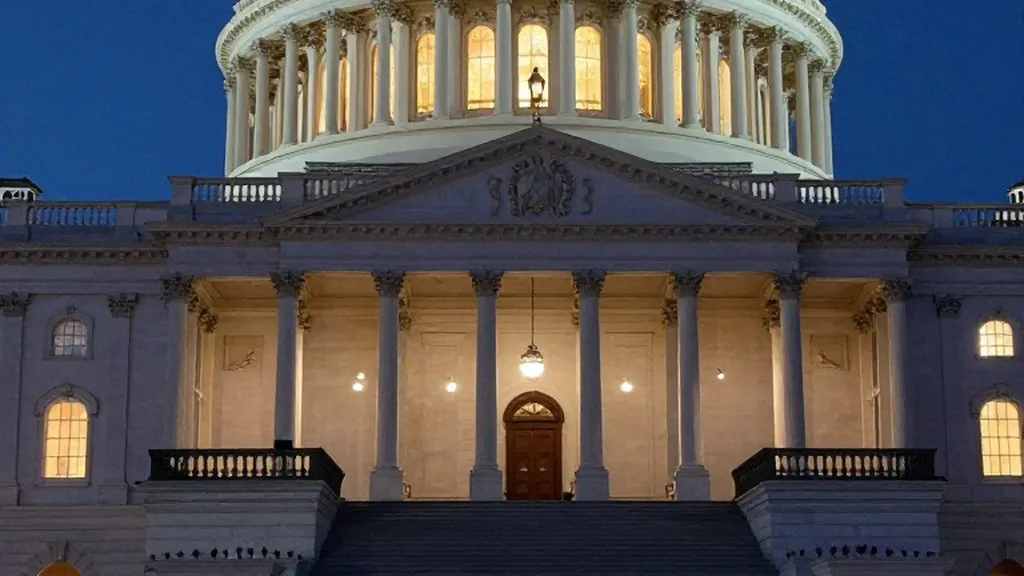
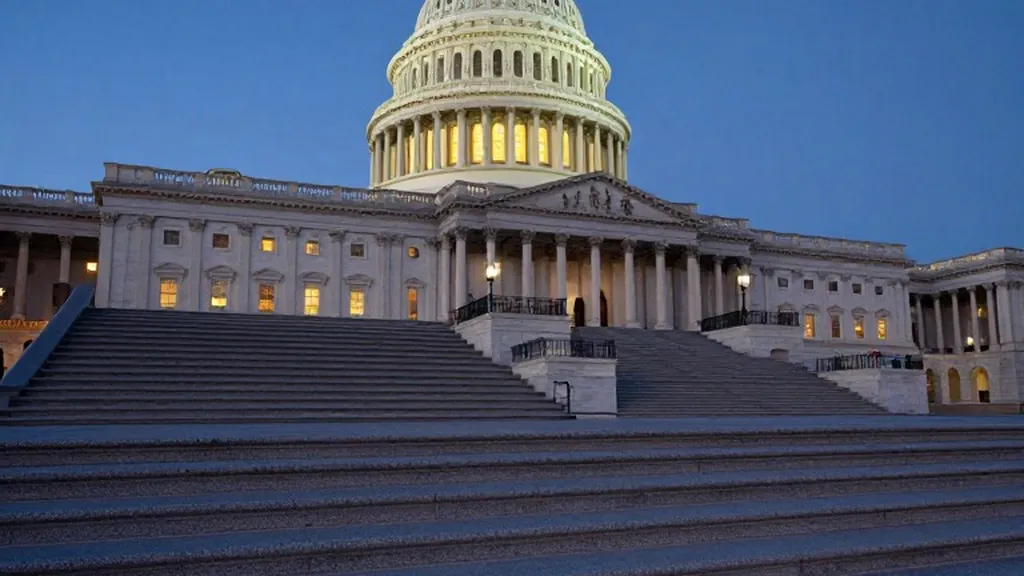
President Donald Trump has adopted a combative posture toward the incoming Democratic Congress, instructing his Department of Justice to treat investigative requests as acts of extortion. The stance signals a sharp escalation in tensions between the executive branch and lawmakers who regained control of both chambers in last week's midterm elections.
Attorney General Todd Blanche amplified the President's message on Sunday news programs, stating that criminal investigations of Democratic officials are a possibility. Blanche argued that members of the current administration and their associated companies should not face threats from the opposition. He noted that Trump is deeply concerned about these perceived attacks. "They are not allowed to just go around threatening existing members of the administration, to go around threatening companies, and that's what President Trump is extremely worried about and he should be," Blanche said.
Incoming House Oversight Committee Chair Robert Garcia, a Democrat from California, rejected the administration's rhetoric. He described the target of upcoming probes as the "Trump crime family" and assured colleagues that the party would not be intimidated by the President's comments. "The days of us not fighting back are over," Garcia said. He and other Democratic leaders indicated that investigations will begin immediately upon their return to Washington.
Democratic House leader Hakeem Jeffries, who is expected to become the first Black speaker of the House, framed the coming conflict as a constitutional duty. Jeffries stated that individuals who shortchange, screw over, or steal from the American people must be held accountable consistent with Congress' role. He confirmed that impeachment remains a viable option for the new majority.
Internal disagreements exist within the Democratic caucus regarding the scope of the offensive. Senator-elect Adam Hamilton, a Democrat from Kansas, expressed skepticism about prioritizing impeachment over legislative work. Hamilton, the first Democrat elected from that state in 94 years, said he prefers setting up guardrails to dividing the country further. "I'm not as interested in impeachment as setting up guardrails," Hamilton said. Senator Bernie Sanders of Vermont echoed this caution, warning that the party must spend time helping working-class families rather than solely investigating Trump.
Jeffries also addressed the appointment of Stephen Miller as White House Chief of Staff, calling it an "awful choice." He cast doubt on the ability to collaborate with Miller, a key architect of the administration's immigration policies. "There's not going to be an opportunity, certainly, to work with Stephen Miller and what he represents," Jeffries said. He indicated that Democrats would forcefully push back against the extremism Miller represents.
The leadership structure in the Senate is also facing scrutiny. At least two incoming Democratic senators expressed reservations about retaining Chuck Schumer as party leader. Hamilton stated that Schumer is a polarizing figure in his state and that he is seeking a leader who can unite the coalition. Abdul El-Sayed of Michigan, whom Schumer funded during his general election, questioned whether the current leadership is best positioned to deliver on the voters' mandate.
Jeffries signaled support for a pending impeachment resolution targeting Defense Secretary Pete Hegseth. "Hegseth has got to go," Jeffries said. In response, Hegseth dismissed the effort as political personal destruction and stated that the push "won't work with me." The AP Voter Poll surveying over 100,000 midterm voters found that seven in ten citizens believe Congress has not done enough to check the presidency.