Democrats Seize Both Chambers, Triggering Historic Wave Against President
A net loss of seven Senate seats and forty-two House seats marks one of the largest midterm defeats for a sitting president's party in recent history.
By Aiko Soto ·
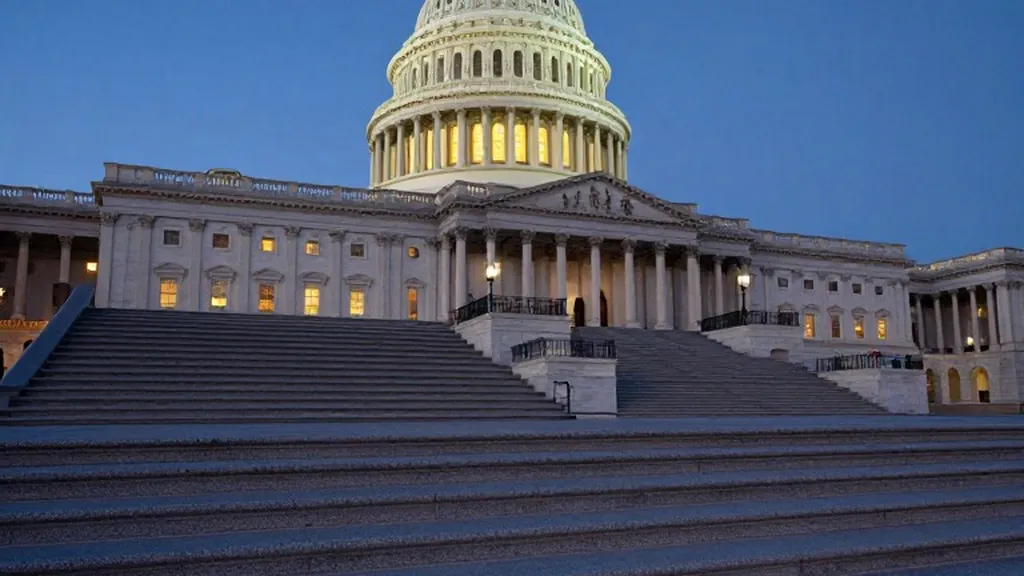
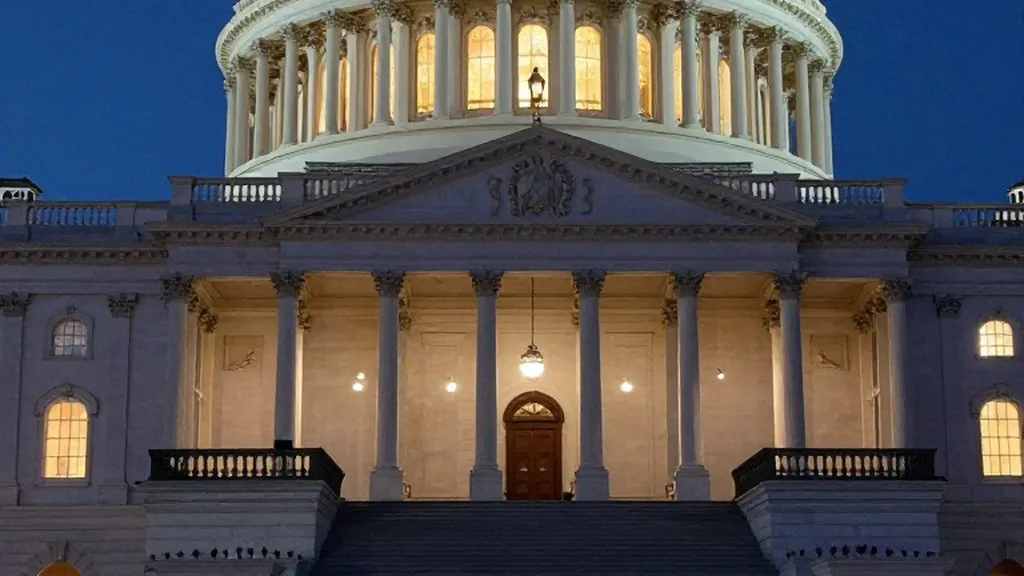
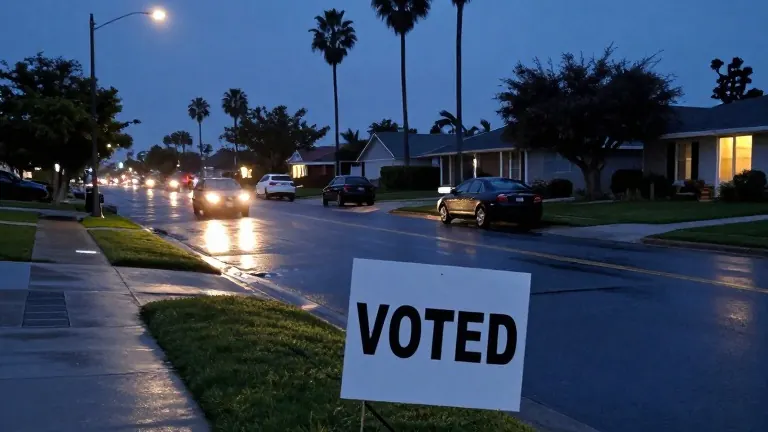
The 2026 midterm elections have concluded with a decisive shift in power, as Democratic candidates secured majorities in both the U.S. House and the U.S. Senate. This result represents a significant challenge for President Donald Trump, whose Republican Party suffered its largest net losses in decades during the November 3 vote. The outcome forces an immediate realignment of legislative priorities and sets the stage for a more contentious relationship between the executive branch and Congress in the final year of the current term.
According to compiled election data, Democrats picked up at least seven Senate seats, all of which were previously held by Republicans. This swing places the 2026 election in the top 20% of election years in terms of seat shifts against the party of the sitting president. A threshold often defined as a wave election, this level of turnover signals a strong mandate from voters who sought a change in the balance of power. The new Senate composition is projected to be 54 to 44 in favor of the Democrats, providing the majority party with a comfortable cushion for passing legislation.
In the U.S. House, the margin of victory was even more pronounced. Democrats captured at least 43 seats from the Republican column, including 42 previously held by Republicans and one held by an independent. This shift ensures that Democrats will hold at least a 250 to 157 majority in the lower chamber. While the net loss of 42 seats falls short of the 48 seats typically required to define a wave election in the House, the scale of the turnover remains historic. Uncalled races could still alter the final count, but the current trajectory indicates a dominant Democratic presence in the chamber.
The implications of these results extend beyond federal chambers to state governments across the nation. Democrats have won a majority of governorships for the first time since before the 2010 elections, securing 22 of the 36 gubernatorial races decided so far. This gain includes five states where party control changed from Republican to Democratic. Additionally, Democrats have taken control of 46 of the 88 state legislative chambers on the ballot, a total that includes twelve instances of party control shifting entirely to the Democratic side. These state-level victories provide the party with a broader base of power to implement policy changes at the local and regional levels.
President Trump has already begun to address the political fallout from these results through significant personnel changes within his administration. On Friday, he announced that Stephen Miller would replace Susie Wiles as White House chief of staff. Miller is widely known as the architect of the administration's hard-line immigration policies and is considered one of the most determined members of Trump's inner circle. This decision suggests a strategic pivot toward a more aggressive agenda as the president prepares to work with a Congress controlled by his political opponents. The removal of Wiles, who was viewed as a tempering force on the president's impulses, underscores the administration's intent to push forward with its key legislative goals despite the new congressional landscape.
The transition in leadership extends to the role of White House press secretary, a position that has been vacant since Karoline Leavitt left at the end of August. Trump recently offered the job to UFC boss Dana White, a move that surprised many observers given White's background in the sports world rather than politics. Trump posted on social media that he asked White to bring along several UFC fighters as assistants to defend the administration against the lunatic left. While the White House has not officially confirmed the appointment, the offer highlights the unconventional approach the administration is taking to manage its public image during a period of major political transition. The brief tenure of interim press secretary Katie Zacharia, who left the job after five days, adds to the sense of instability in the communications team.
In the Senate race in Mississippi, the results remain a focal point of attention as ballots continue to be tallied. Democrat Scott Colom has not yet won the race against Republican incumbent Cindy Hyde-Smith, but he is being celebrated as a historic figure in the state. Colom, a local prosecutor, could become the first Black senator from this Deep South state since the post-Civil War Reconstruction era. The contest hinges on the counting of absentee and provisional ballots across the state's 82 counties. Colom has expressed confidence in local officials to follow the law, noting that ballots tallied since Tuesday lean in his favor. His potential victory would mark a significant milestone for Black representation in the highest legislative body in the country.
Incumbent Senator Cindy Hyde-Smith has maintained that the election is not over, posting on social media that her team is working across Mississippi to monitor the remaining ballots. She has not appeared publicly since election night, when she declared victory despite a razor-thin margin. The discrepancy in claims between the two candidates has led to a tense atmosphere in Jackson, where civil rights leaders and community members are watching the count closely. The state's demographic makeup, with nearly 40% of the population being Black, makes this race particularly symbolic for many voters who see the outcome as a reflection of their political power and influence in the Deep South.
Meanwhile, in Washington, federal courts are preparing to close the East Potomac Golf Course on November 15 to begin construction on a new championship-level facility. A federal judge has appointed a former U.S. attorney to investigate whether government officials misled the court regarding the scope of the renovation plans. This legal battle adds another layer of complexity to the administration's infrastructure projects, which are now likely to face increased scrutiny from a Democratic-controlled Congress. The judge's decision to appoint a special master reflects the difficulty in determining the truth of government statements during months of hearings, particularly regarding the cutting of trees and other modifications to the historic course.