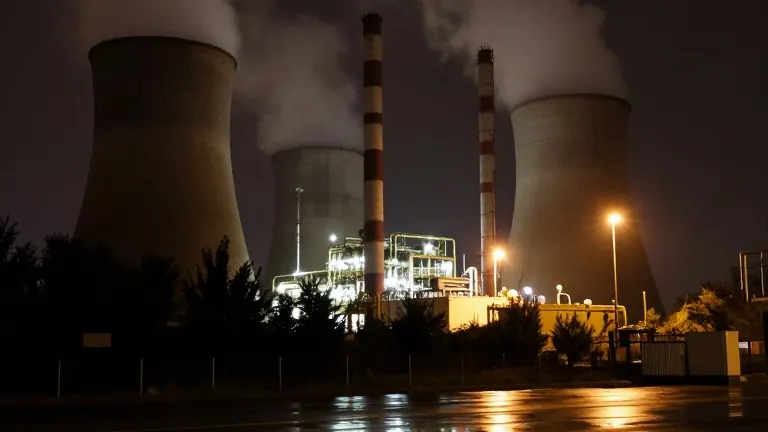
Qalibaf: US voters said no to war after Trump loses Congress
Iranian leaders reacted to the midterms with mixed messages, while Houthis claimed strikes on Saudi infrastructure and UN peacekeepers warned of a coming gap in Lebanon.
By Chioma Kuznetsov ·
Two children were among the seven people killed in a Wednesday airstrike on a house in Taiz, Yemen, according to Houthi health authorities. The strike occurred as regional leaders weighed the impact of Tuesday's U.S. congressional elections on ongoing conflicts in the Middle East.
In Tehran, officials viewed the election results as a rejection of the current administration's war strategy. Mohammad Bagher Qalibaf, the Iranian parliament speaker, posted on X that Americans said no to war and endorsed that message. He warned that if the U.S. government ignored the vote, it would learn that their no comes with a nightmare. Ayatollah Mojtaba Khamenei, the supreme leader, offered a more cautious view, dismissing the idea that Washington would change its approach to Iran.
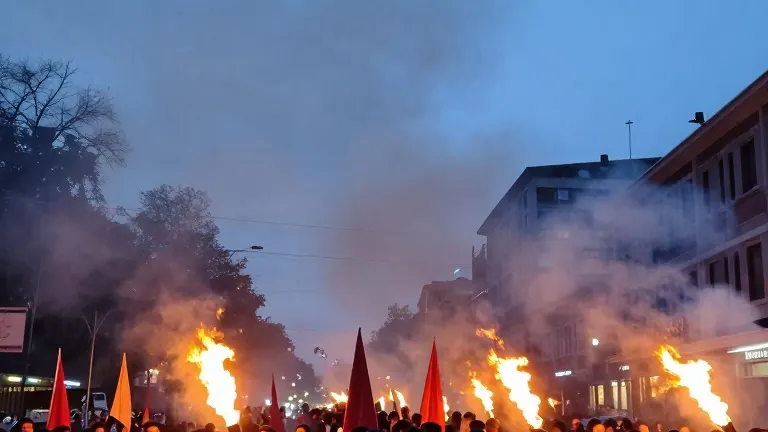
Thousands of pro-government demonstrators marched through Tehran on Wednesday to mark the anniversary of the 1979 U.S. Embassy takeover. Protesters burned American and Israeli flags and chanted death to America and death to Israel. The demonstrations followed weeks of tension over whether the U.S. would resume full-scale military operations against Iran, with talks currently ongoing to prevent renewed fighting.
In Yemen, the Houthi rebels claimed they fired a ballistic missile at King Khalid International Airport in Riyadh, causing major damages. Spokesperson Yahya Saree also claimed strikes on a radar installation and a command center in Jazan province. The Saudi information ministry did not immediately respond to requests for comment. The Houthis have targeted oil and logistics facilities in an effort to counter what they describe as a Saudi blockade on Yemen.
UN peacekeeping chief Jean-Pierre Lacroix warned that Lebanon faces a security vacuum when the UNIFIL mission ends on December 31. He questioned who would monitor the Blue Line border and prevent clashes if the third-party presence disappears. Lacroix noted that the U.S. pushed the Security Council to end the mission after nearly five decades, despite Secretary-General António Guterres proposing options in June to maintain monitoring.
The UN Security Council is scheduled to discuss the matter on November 19. Lacroix stated that unarmed UN military observers remain authorized to operate in southern Lebanon, but he questioned how they could function without protection or support. He added that efforts to disarm Hezbollah had failed due to a lack of political will.
In southern Lebanon, the Health Ministry reported that an Israeli drone strike on a motorcycle in Qabrikha killed one person and wounded another. The Israeli military said it struck two suspects who were observing soldiers. This was the first such strike in nearly a month, a period of relative calm following a U.S.-brokered ceasefire that ended the latest war with Hezbollah in late June.