Israel Claims Iran Plans Chemical Attacks
Israeli officials argue the threat outweighs nuclear risks, while US and Gulf leaders debate the evidence.
By Chioma Kuznetsov ·
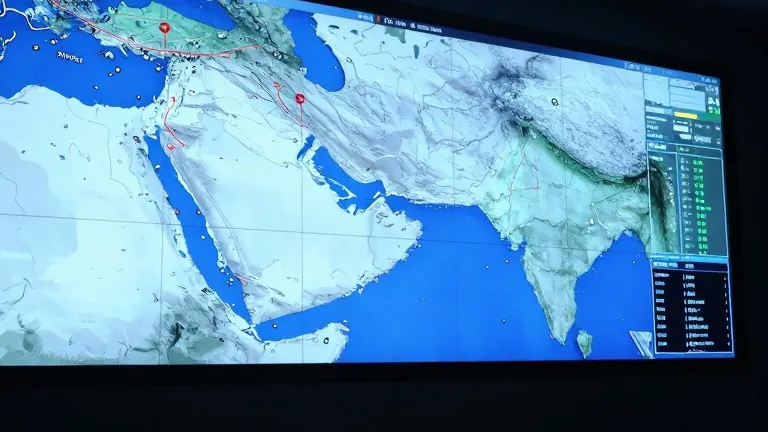
Israeli officials have shared intelligence with Washington and Gulf states suggesting Iran is preparing to use chemical weapons against them. The disclosures emerged as Qatari mediators worked to prevent renewed conflict in the Middle East.
The New York Times reported on Tuesday that Israeli leaders consider this threat more urgent than the nuclear program that initially justified the war. Israeli sources told US counterparts that Tehran is developing technology to deliver chemical agents via missiles or to smuggle them into enemy territory.
Some US officials view these briefings as a strategy by Prime Minister Benjamin Netanyahu to push President Donald Trump back into active combat. However, Gulf nations reportedly dismissed the Israeli assessments as "unserious" because they lacked physical evidence.
Despite the skepticism, some US leaders are taking the warnings seriously given Iran’s recent threats. Israeli emergency drills conducted by the Home Front Command this week did not focus on chemical defenses. Israel stopped distributing gas masks to citizens over a decade ago and has not resumed the practice.
The Prime Minister’s Office did not address the specific chemical claims. A spokesperson stated that Israel is closely monitoring threats from the Iranian regime and is prepared to confront them.
Iran has publicly rejected accusations that it possesses chemical weapons. Meanwhile, US Central Command has a plan ready to strike Iran as early as Wednesday, the day after the midterm elections.
Trump confirmed the launch of defensive strikes late Monday. He described the attack on an Iranian anti-aircraft facility as a "minor attack" during an interview on Fox News. The strikes occurred hours after he suggested a deal with Iran could happen soon.
US military leaders note ideal conditions for operations, including moonless nights and the presence of three aircraft carriers in the region. Within the administration, a split exists over strategy. Some urge a focus on the blockade of the Strait of Hormuz, while others believe only military action will weaken the regime.
Qatari mediators traveled to Tehran on Monday night to discuss a draft agreement. A senior Iranian official told Reuters that Tehran’s conditions must be met if the US wants the strait reopened. These demands include ending the war, lifting the blockade, withdrawing US forces, removing sanctions, paying reparations, and accepting Iranian rules for shipping in the strait.
Mohsen Rezaei, Iran’s Supreme National Security Secretary, said on X that Washington’s response was not convincing. He insisted that Iran’s seven conditions must be fully addressed before the strait reopens. President Masoud Pezeshkian stated that his government is still pursuing dialogue and that the supreme leader granted new powers to negotiate previously off-limits issues.