Oregon Households Face Steep Financial Strain
A national report indicates four in ten Oregon families lack the income to cover essentials, a gap that has widened due to recent fuel and grocery price spikes.
By Chioma Kuznetsov ·
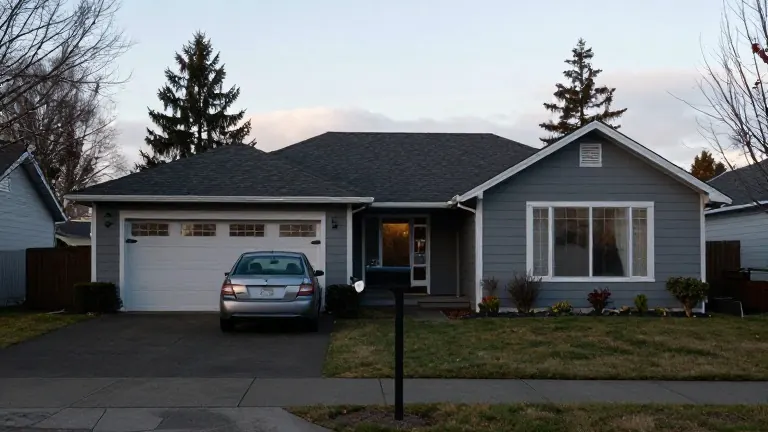
Voters in Oregon prioritized affordability in the recent election, driven by fears of financial instability from unexpected costs. A new national report reveals the scale of that pressure. The data shows that 40% of households in the state do not earn enough to meet basic needs. These families often have employed members but still live paycheck to paycheck.
The findings come from a study by United for ALICE, a program run by United Way. The report uses the ALICE framework to identify households above the federal poverty line that cannot afford essentials like gas or fresh food. Oregon ranks 34th in the nation for this metric. Only 16 states have a higher percentage of households in this category. The state’s ranking has improved slightly in recent years, but it remains a high-poverty area by these standards.
The situation has likely deteriorated since the report was released. Recent gas price hikes resulting from the U.S.-Israeli war with Iran have not been factored into the data. Federal tariffs have also pushed up the cost of basic groceries. Rick Metsger, a Salem lobbyist and former state senator, said these changes have accelerated inflation. He described the rise in costs as a rapid boil rather than a slow process.
Metsger noted that Governor Kotek has limited power to control gas prices or fix all inflation issues. However, the governor can influence construction permitting and regulation. Faster approval processes for building projects could create jobs and lower housing costs. Emily Wilson, spokeswoman for United Ways of the Pacific Northwest, said the ALICE data helps lawmakers set specific goals for policy changes.
Wilson argued that the state must adjust policies for the working class. She stated that if almost half the population is struggling, changes are necessary. The report identifies Malheur, Harney, Wheeler, and Wasco counties as the hardest hit. More than 50% of households in those four counties failed to earn enough for basic needs.
State officials are also watching federal policy. Metsger hopes the new Democratic majority in Congress will reverse Medicaid spending cuts. These cuts have strained Oregon’s health care system. He said reversing the cuts would provide a major boost to the state budget. That additional funding would ease pressure as legislators work on adjustments to the Oregon Health Plan.