Launch Economics: SpaceX Rejects Military Work; PLD Space Finalizes Miura 5
The company passed on three Space Force contracts while its European rival completed a second stage and Reaction Dynamics sought $350 million.
By Ayanda Boateng ·
SpaceX has turned down three launch contracts from the US Space Force, a decision revealed in the latest Rocket Report published on October 23. The company reportedly told the military branch it would not accept the work, marking a rare instance of the provider passing on available government revenue.
This rejection stands alongside a technical hurdle for SpaceX's Starship vehicle. A NASA safety panel indicated that the rocket may require as many as 22 refueling operations to support a lunar landing. That figure suggests a complex mission architecture that could impact future scheduling and costs for the program.
While the American giant navigated these developments, PLD Space advanced its Miura 5 rocket toward its inaugural flight. Aviation Week reported that the Spanish company is approaching final integration for the small-lift vehicle. PLD Space now targets a first launch before mid-2027, aiming to establish a foothold in the European launch market.
The company has built three Miura 5 vehicles to support this timeline. CEO Raúl Torres stated in an October 19 update that two of the rockets are designed to qualify key system elements. This multi-vehicle approach allowed production teams to work continuously across different stages of manufacturing and integration, according to Torres.
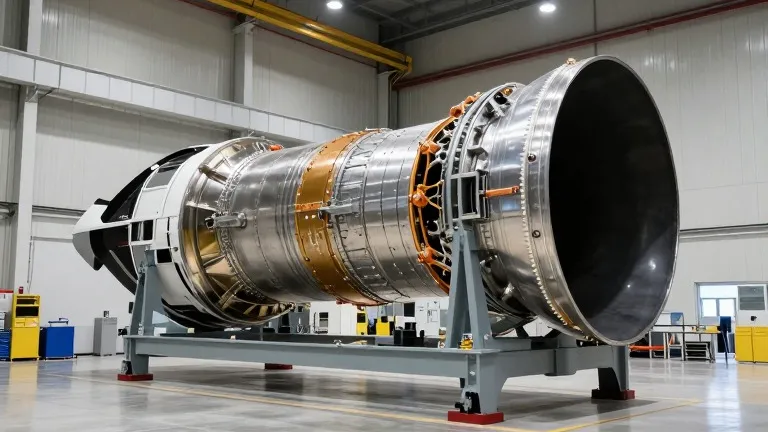
One Miura 5 second stage is now fully integrated. This milestone enables system-level testing under representative operating conditions. The stage is currently at the company's Teruel test facility in Spain, where it will undergo a qualification campaign. This process includes a wet dress rehearsal and a static hot-fire test to verify performance.
In Canada, Reaction Dynamics is seeking a capital injection of $350 million to expand its operations. The company currently employs 68 people and plans to grow its workforce to more than 350 with the new funding. The money will support the development of its Aurora small-lift rocket, which is scheduled to reach orbit in 2028. The firm has also outlined plans for a medium-lift vehicle named Borealis, targeted for debut by 2031.
More Business · Tech news · Consumer Watch · Report a business · Got a Story?