Kansas City Evaluates Lasting Value of World Cup Infrastructure
From $500 million redevelopments to temporary storefront grants, officials assess which projects outlasted the summer tournament.
By Ayanda Boateng ·
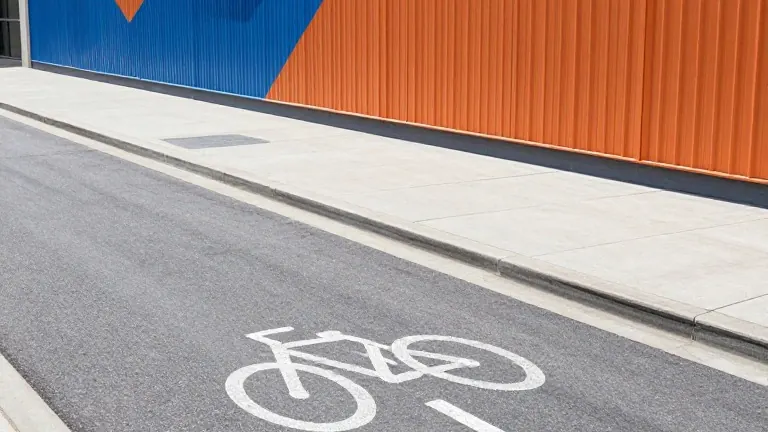
The city of Kansas City is currently evaluating the long-term impact of investments made ahead of the 2026 World Cup. While some projects provided immediate infrastructure upgrades, others were temporary experiments that have already ended. The 100 murals painted across the city represent one area of focus, with artists and city officials weighing their aesthetic and economic value now that the global audience has departed.
In the West Bottoms, developer SomeraRoad commissioned seven murals as part of a broader push tied to a $500 million redevelopment of the neighborhood. Grant Hromas of SomeraRoad KC stated the goal was to use the tournament's spotlight to drive foot traffic and highlight the creative community. Jason Harrington of SpraySeeMo said the group prioritized creative freedom to ensure the artwork could stand the test of time without relying on soccer imagery.
City infrastructure improvements also benefited from the tournament timeline. Public works director Jason Waldron noted that projects like safety upgrades on Southwest Boulevard and sidewalk additions on Stadium Drive were not started because of the World Cup. However, the event provided a deadline that accelerated construction. Waldron explained that the city worked to open the Grand Boulevard bridge before matches began to manage expected traffic around the stadium.
Beyond physical structures, local agencies purchased equipment intended for long-term use. Johnson County Parks and Recreation bought a 20-by-30 foot screen for just under $300,000. The screen displayed 24 games in Shawnee Mission Park and drew more than 12,000 attendees. The district has placed the screen in storage but plans to integrate it into next year's Theater in the Park season and explore mobile options for other events.
Johnson County Libraries added free charging lockers and translation devices during the buildup. Elissa Andre, the library's marketing manager, reported that the library completed approximately 750 translations by October 16. These interactions were primarily in Spanish, Korean, and Japanese. Andre cited one instance where staff used a device to register a Spanish-speaking visitor for a library card and provide a book to his daughter.
The Open Doors! program offered a different model by placing small businesses in vacant storefronts. The initiative, a partnership between the Economic Development Corporation and KC BizCare, covered 80% of rent and provided a $10,000 grant to participants. For 515 Music Hub, the program allowed two local organizations to operate a live venue for six months. However, founder Lindsey Jarrett said the venue did not see the expected increase in foot traffic during the tournament.
The six-month agreement for 515 Music Hub ended on October 31. Other participants, such as Bubbles and Goo and Madrina Vegana Taqueria, are negotiating with landlords to extend their leases. Erica Muñoz, chef at Madrina, estimated that World Cup visitors accounted for only 10% to 15% of her customers. Nia Webster, the city liaison for Open Doors!, said the program is now collecting impact metrics to determine if a second round will proceed and what changes it might require.
Waldron said the tournament demonstrated that Kansas City was large enough to accommodate the event and small enough to care about the details. Bo McCall, a strategic initiatives manager for Johnson County, described the regional collaboration built during planning as a legacy that will impact the area for decades. The city continues to monitor how these physical and relational assets serve residents in the post-tournament period.