Appellate Court Reverses Ruling Against Mamdani's Second-Home Tax
The decision allows the city to continue collecting surcharges on high-value secondary residences after a Staten Island judge had blocked the rollout in September.
By Ayanda Boateng ·
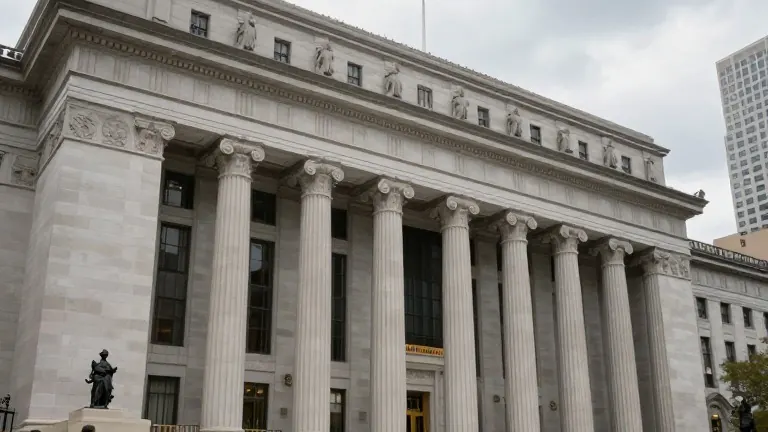
A Brooklyn appellate court panel reversed a September decision that had blocked the implementation of New York City's new second-home surcharge. The ruling issued on Wednesday allows Mayor Zohran Mamdani to proceed with the tax collection despite the legal challenge filed in Staten Island. The court ordered that the lower court's judgment be reversed on the law, denied the amended petition, and dismissed the proceeding.
The conflict began in September when a judge in Staten Island ruled that the city mishandled the rollout of the tax. The surcharge targets one-, two- and three-family second homes valued at more than $5 million, as well as co-ops and condos valued at $1 million or more. The city filed an appeal immediately after that ruling but continued to roll out the tax while the lawsuit was pending.
Mamdani promoted the pied-à-terre tax during his mayoral campaign as part of an affordability agenda that also included freezing rents for rent-stabilized apartments and making city buses fare-free. He characterized the legal battle as an attempt by wealthy property owners to protect their assets. In a statement, Mamdani said the appeals court rejected an attempt by the ultrawealthy to avoid paying their fair share.
"From day one, those with the most have attempted to use every legal avenue available to shield their wealth and avoid contributing more to our city," Mamdani added. He argued that the surcharge asks those who can afford luxury second homes to contribute toward safer streets, cleaner parks and essential public services.
Randy Mastro, the lawyer representing the homeowners in the litigation, disputed the court's path forward. In a statement to the media, he called the measure an "unconstitutional surcharge altogether." His team continues to fight the tax in other venues as well.
The tax still faces other legal challenges. One pending case argues that the surcharge is discriminatory under the U.S. Constitution because it affects people who live outside of New York. The city now has the appellate court's backing for the specific challenge it won in September, but the broader legal fight over the tax's constitutionality continues.