UNHCR: 90 Million Refugees Trapped in Climate Hotspots Ahead of COP31
A new report reveals that three-quarters of the global displaced population reside in nations highly vulnerable to droughts, floods, and extreme heat, complicating long-term resettlement efforts.
By Aiko Soto ·
The United Nations High Commissioner for Refugees announced on Friday that nearly 90 million forcibly displaced people live in countries with high exposure to climate hazards. This figure represents three-quarters of the global total of displaced individuals. The agency released the data just days before the COP31 climate summit begins in Turkey, framing the findings as a call for immediate policy adjustments to protect vulnerable populations.
The report details how weather-related events are increasingly obstructing traditional solutions for refugees. More than two-thirds of refugees who returned to their home countries in the first half of 2026 did so in nations highly vulnerable to climate shocks. In Syria, where nearly four million displaced people have recently returned, declining groundwater levels and recent climate events are threatening local recovery efforts. The agency specifically cited flooding along the Euphrates River in May 2026, which damaged homes and forced thousands of people to displace again.
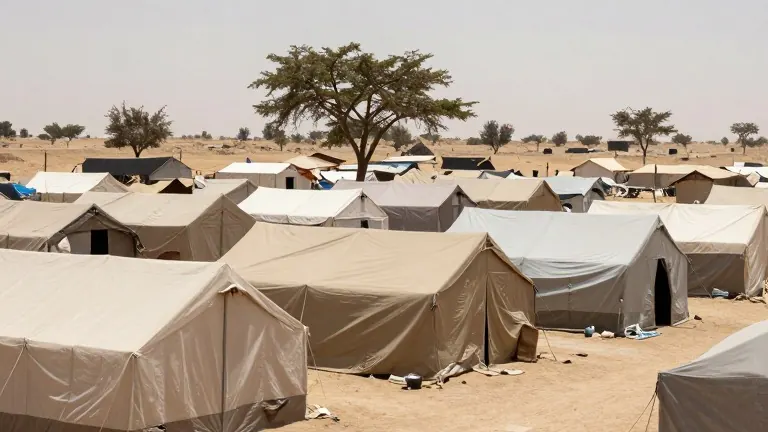
Extreme heat is emerging as a distinct operational challenge for refugee settlements. UNHCR data projects that by 2050, one in three refugee camps in sub-Saharan Africa will experience at least 100 days of dangerous heat annually. Meanwhile, weather-related disasters are driving internal displacement at a rapid rate. Over the past decade, such events caused more than 255 million internal displacements worldwide, an average of 70,000 people per day. Forecasts for East Africa suggest that the current strong El Nino pattern could displace up to three million people across Somalia, Kenya, South Sudan, and Uganda by the end of 2026.
Anton Leis Garcia, the UNHCR assistant high commissioner for operations, described the situation as a double injustice for those who fled conflicts they did not cause. He noted that these populations are now on the front lines of a climate crisis to which they have contributed the least. Garcia stated that climate change is destroying shelters and undermining livelihoods, putting the hopes of millions to rebuild their lives at risk. The agency emphasized that the financial support for climate resilience in these regions remains low.
Only 10 percent of global climate finance currently flows to fragile and conflict-affected countries that host large populations of climate-exposed displaced people. During the upcoming COP31 summit, UNHCR plans to urge governments and climate finance institutions to formally include refugees in national climate plans and financing mechanisms. The organization aims to ensure that displaced populations are not left out of the global response to a warming planet.