The 14.70 Euro Menu: Spain's Daily Lunch Habit Shrinks
Average costs for the traditional midday set have risen, and four million daily servings now face competition from quick alternatives and rising energy bills.
By Aiko Soto ·
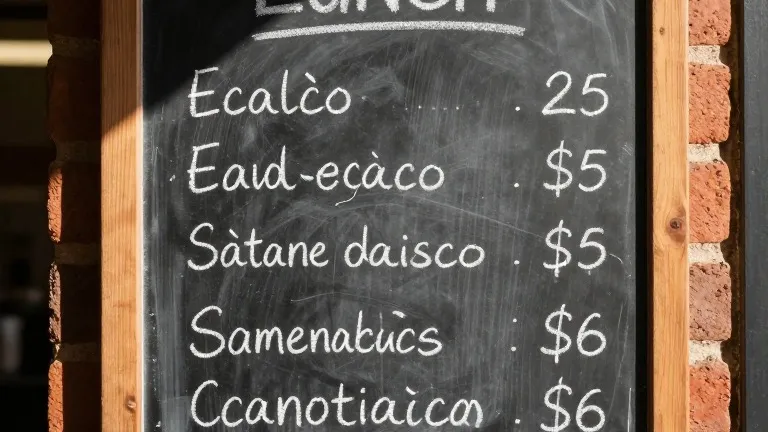
For decades, the midday pause in Spain has centered on a specific ritual: a starter, a main course, and a dessert or coffee for a fixed price. That ritual, known as the menú del día, is becoming more expensive and less common. The average price for this set meal has reached 14.70 euros, according to data cited in a new book by food journalist Lakshmi Aguirre.
The economic pressure is squeezing the small, family-run establishments that traditionally served these meals. Rising energy and food costs make it difficult for owners to maintain a rotating daily menu. In response, some restaurants have reduced their offerings to a single dish of the day, while others have adapted their plates to include Latin American staples, reflecting the changing demographics of the country's cities.
Consumer habits have also shifted away from the traditional long lunch. Many workers, short on time, now bring food from home or microwave ready meals from supermarkets. This trend contributes to a decline in the daily volume of menus served, even though the tradition remains a staple for approximately four million people on working days.
The origins of the menu were pragmatic rather than culinary. Introduced in the mid-1960s by Manuel Fraga, the tourism minister under dictator Francisco Franco, the set meal was designed to show foreign visitors that Spain had recovered from post-war scarcity. The initial rules required a soup, a main protein, and a dessert, all served for between 50 and 250 pesetas. A quarter-liter of wine with at least 12% alcohol was also mandatory to ensure quality.
Aguirre, who documented the history in her book Menú del Día: Everyday Scenes of a First Course, a Second Course and Pudding, notes that many Spaniards are surprised to learn of its state-sponsored beginnings. "It says a lot about us Spaniards; we forget very quickly," Aguirre said. She argues that the menu is not dead, as chef Ferran Adrià declared in 2009, but it is facing structural challenges.
The cultural value of the meal extends beyond the food itself. Aguirre describes the restaurant as a meeting point for families with limited budgets and people living alone. "What's being lost is a meeting point," she said. The privilege of the menú, in her view, lies in the combination of affordability and the time dedicated to eating it.