Ten liters of water now last four days in Yemen's Taiz
A tightening siege by Houthi rebels has cut off supply lines, forcing residents of the country's third-largest city to stretch basic necessities as prices surge.
By Aiko Soto ·
Aid organizations report that the water shortage in Taiz has reached crisis levels in recent weeks. The Iran-backed Houthi rebels have tightened their siege around the city as fighting with government forces intensifies. This development marks a sharp decline in conditions that were already strained for over a decade.
Families in the city now stretch ten liters of water to last approximately four days. Hadil al-Shahid, a local hair salon owner, stated that she and her two young children previously used that amount daily. She said, "We stopped drinking coffee and tea, which we used to drink daily." Bottled water prices have risen by as much as 75% compared to a few weeks ago. Some households now purchase supplies on credit.
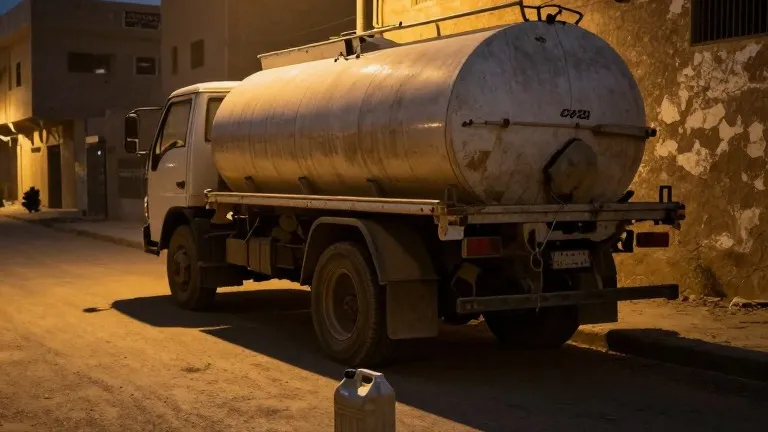
The blockade restricts access to local wells and limits fuel for desalination plants. Water trucks are largely blocked from entering the city. Truckers who still make the dangerous journey have tripled their rates in some cases. The water utility and desalination facilities are operating well below capacity due to fuel shortages.
The pressure extends beyond water to food and fuel. Grocery shortages have driven up costs, with flour and rice now costing about 50% more than in the summer. Cooking gas prices have more than quadrupled, according to Hani Bafaqih of the aid group CARE. Some families burn wood, charcoal, or cardboard for heat. Hospital operations and sanitation services face strain from the fuel scarcity.
Taiz province has absorbed an estimated 124,000 displaced people since August, representing roughly half of those moved elsewhere in Yemen. United Nations migration experts provided this figure. Jens Laerke, a spokesperson for a UN emergency aid division, noted that some displaced families live in makeshift shelters and survive on one meal a day. He warned that disease risks, including cholera, increase as families use unprotected wells.
The military situation remains fluid. The Houthis captured the port city of Mokha last month, a key node for Red Sea shipping, before advancing on Taiz. Three Houthi officials told The Associated Press that the group controls about 80% of the surrounding countryside and several neighborhoods inside Taiz, though these claims were not independently verified. Foreign Minister Afrah al-Zouba has acknowledged the rebels' tightening grip on the area.
Civilians face direct danger from the conflict. Houthi missiles struck a residential area earlier this week, killing two teenage girls. Ahmed Abdel Gaber, displaced with nine relatives, hears explosions daily from fighting about five kilometers away. He said his family will not return to their mountain village due to safety concerns. Al-Shahid said she cannot afford to leave, adding, "Staying in our home is inevitable, whether it be a matter of life or death."