Stephen Hubbard's Release Follows Years of Documented Abuse
Former cellmates describe severe physical and psychological mistreatment endured by the 74-year-old American during his time in Russian custody.
By Ayanda Boateng ·
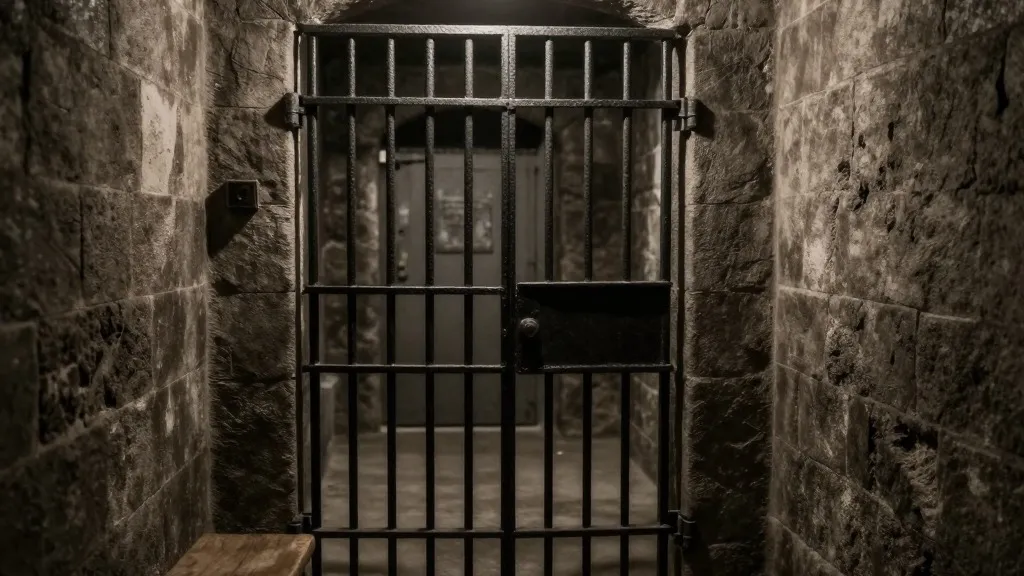
The release of 74-year-old American Stephen Hubbard from Russian custody marks the end of a long detention characterized by alleged severe mistreatment. Two Ukrainian men who shared cells with Hubbard have provided detailed accounts of how he was beaten, humiliated, and deprived of basic necessities while imprisoned for over four years. These testimonies align with claims made by Hubbard's family and offer a grim picture of his daily existence behind bars.
Dmytro Khyliuk, a journalist, first encountered Hubbard at Novozybkov prison in September 2022. He noted that guards singled out the American immediately, frequently searching for his cell and using derogatory language. Ihor Shyshko, a former soldier, corroborated these accounts, adding that Hubbard was forced to memorize Russian national songs and prison rules despite his inability to read the language. Shyshko witnessed physical assaults on Hubbard's legs, back, and arms, as well as the use of a stun gun. Both men stated that Hubbard was denied adequate food, medical attention, and warmth.
Hubbard was captured in April 2022 in the city of Izyum and later convicted in Moscow, receiving a sentence of six years and ten months. While awaiting trial, his condition deteriorated. Khyliuk described the harsh environment at Novozybkov, where broken windows allowed cold air to seep in, forcing inmates to huddle in bathrooms for heat. After Hubbard was transferred to the Pakino facility, his health declined further. Shyshko reported that Hubbard’s knees and feet were covered in open sores. When a prison doctor refused to treat the wounds, Shyshko bandaged them himself. The inmates described a routine of daily beatings, forced exercise, and a diet consisting mostly of porridge, bread, and potatoes.
The stakes of these events extend beyond individual suffering to the broader diplomatic context. Khyliuk alleged that officials hid Hubbard from visiting Red Cross inspectors to mask his poor condition. The International Committee of the Red Cross stated that it requests access to all detainees to assess their welfare and continues negotiations with conflict parties on this matter. Hubbard’s disappearance from the prison roster in 2024 led Khyliuk to believe he had been released, a status confirmed only recently.
The Kremlin announced Hubbard’s freedom on the same day US special envoy Steve Witkoff met with President Vladimir Putin in St Petersburg. Witkoff described the Russian leader as a humanitarian, while President Donald Trump said he had personally requested the release during a recent phone call. Khyliuk, who returned to Ukraine in August 2025, expressed relief that Hubbard was free but criticized the timing as a political move by the US president amid upcoming congressional elections. He compared the overall experience of Russian captivity to the Stalin era, calling it a machine for torture. Shyshko expressed hope that those responsible for the abuse would eventually face justice, asserting that evil must be punished.
These accounts provide a concrete basis for the family’s long-standing claims of torture. The juxtaposition of a diplomatic gesture and the harsh realities described by former cellmates highlights the complex human cost of the ongoing conflict. As Hubbard reintegrates into civilian life, the stories of his fellow detainees serve as a testament to the conditions endured by many others still in custody.