St. Petersburg Luxury Condos See Prices Drop as Inventory Rises
Downtown properties are sitting on the market longer, prompting developers to offer incentives for units in two new high-rise towers.
By Aiko Soto ·
A shift is underway in downtown St. Petersburg, where luxury condo buyers are finding more room to negotiate. In September, the downtown area had nearly 16% more homes for sale than it did a year earlier. Properties spent 27% longer on the market, with a median listing time of 118 days according to Realtor.com. On average, these properties sold for roughly 3% below their asking price.
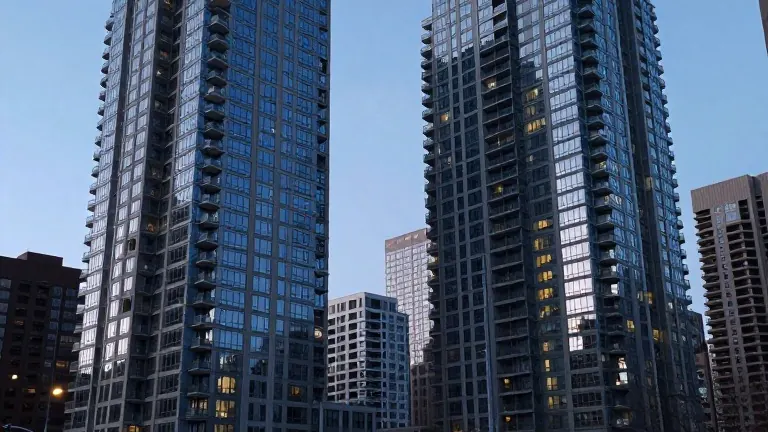
This trend is visible in the two newest luxury condominium towers in the city: the 46-story Residences at 400 Central and the 42-story Art House. Both buildings welcomed their first buyers in late 2025 and together added 545 units to the downtown market. Most of these residences have already been sold. At Art House, developer Kolter Urban has just nine of its 244 residences remaining, according to Dave Moyer, a real estate executive with Smith & Associates. Andrew Warren, an agent who previously worked in sales at 400 Central, estimates that approximately 85% of its 301 residences have sold through the developer.
Competition is increasing as individual owners list their condos for resale. At the time of reporting, 15 residences at 400 Central and 13 at Art House were available on the resale market, separate from the units still held by developers. Warren noted that this competition gives buyers more leverage, especially for condos priced between $1 million and $3 million. On October 26, a three-bedroom developer-owned condo at 400 Central sold for $1,615,000, which was $90,000 below its asking price. Warren said developers are increasingly willing to offer closing credits or other incentives to close deals.
Buyers spending more than $3 million remain active, often prioritizing stock market performance over mortgage rates. Local residents account for a substantial share of purchases in these new towers. Moyer stated that more than half of Art House buyers intend to make their condos primary residences. Some are upgrading from older downtown buildings, while others are leaving single-family homes in neighborhoods such as Old Northeast and Snell Isle. Warren described a similar pattern among his clients at 400 Central, though he noted that occupancy can vary by season and individual circumstances.
Lei Wedge, a finance professor at the University of South Florida, said the luxury market operates differently from the broader housing market. Buyers spending several million dollars typically have substantial savings and investments, giving them more flexibility than households struggling with borrowing costs. Wedge added that while the towers generate property tax revenue, they do little to address the shortage of housing affordable to working- and middle-class households.
Building the next round of towers has become more difficult due to rising construction costs, expensive financing, and high land prices. Will Conroy, president of Backstreets Capital, said in October that his company’s 15-unit Cade Residences near Mirror Lake remained about 40% under contract, roughly unchanged since construction began in April. Moyer expects fewer large condominium projects to reach completion downtown over the next several years. The Waldorf Astoria Residences, a planned 50-story tower, is among the next major developments targeting delivery around 2030. Developers of that project reported more than $200 million in presales in June.
With fewer major projects expected to finish in the coming years, the market may have time to absorb the remaining inventory at Art House and 400 Central. Warren believes buyers and sellers are gradually adjusting after years of rising prices. He said some sellers may need to lower their expectations, while buyers are learning to work with today’s borrowing costs. "In a year from now, I’m hoping we’re looking at a more normal market," Warren said.
More Business · Consumer Watch · Report a business · Got a Story?