NTSB probes ice and structural breakup in Palm Beach Learjet crash
The board says weather is a major focus while wreckage recovery continues near residential areas.
By Ayanda Boateng ·
The National Transportation Safety Board is investigating a Learjet 60 crash in Palm Beach County that killed all nine people on board Sunday. The aircraft, operated by Aurora Aviation doing business as UpperJets, departed Austin at 10:37 a.m. local time bound for the Bahamas. Seven passengers and two flight crew members were aboard the jet.
Investigators stated that weather conditions are a primary focus of the probe. NTSB Board Member Tom Chapman confirmed that the crew encountered white and clear ice and moderate turbulence at 35,000 feet, where the outside temperature was minus 53 degrees Fahrenheit. The crew reported the icing as manageable before requesting an altitude change. Approximately 30 seconds later, the crew declared a Mayday and reported an overspeed condition before their transmission became unintelligible.
Chapman noted that evidence suggests the aircraft began breaking apart before it struck the ground. The board is currently working to determine the extent of that breakup. Officials have not yet confirmed whether the jet flew through a thunderstorm, though they are examining the role of precipitation and turbulence in the incident.
Aviation attorney John Gagliano cautioned against isolating weather as the sole cause. He listed multiple factors investigators must examine, including maintenance records, autopilot systems, and prior mechanical issues. Gagliano said that while precipitation and turbulence could have caused the crash, they could also be unrelated to the final outcome.
Retired U.S. Navy aviator Richard Kolko explained that pilots are trained to monitor anti-ice and de-ice systems when entering icing conditions. He emphasized that commercial air travel remains the safest mode of transport in the United States, even as smaller aircraft accidents occur. Kolko noted that recent crashes in the Tampa Bay area do not provide statistical data to establish a broader trend in small-aircraft safety.
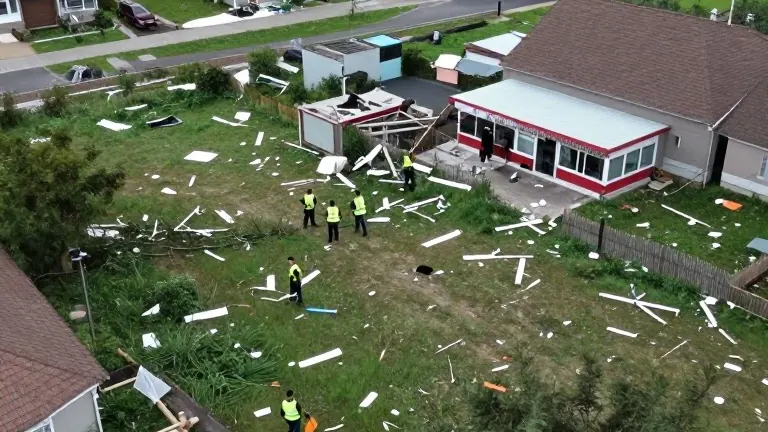
Recovery efforts are ongoing at the crash site, where the debris field stretches approximately half a mile by four-tenths of a mile. The area includes ballfields, businesses, and homes. Investigators reported that water in the impact crater and continuing weather are complicating the recovery process. The NTSB has asked community members to leave any debris they find undisturbed.
The board's current goal is to determine not just what happened, but why it occurred. Chapman said the agency aims to recommend changes to prevent similar accidents in the future.