LifeFlight of Maine Raises Paramedic Pay to Match Nurse Salaries
The nonprofit air ambulance operator implemented the pay equity measure as part of a broader staffing strategy that includes a six-month academy and full-time mental health support, aiming to reduce annual turnover that had previously reached 40%.
By Chioma Kuznetsov ·
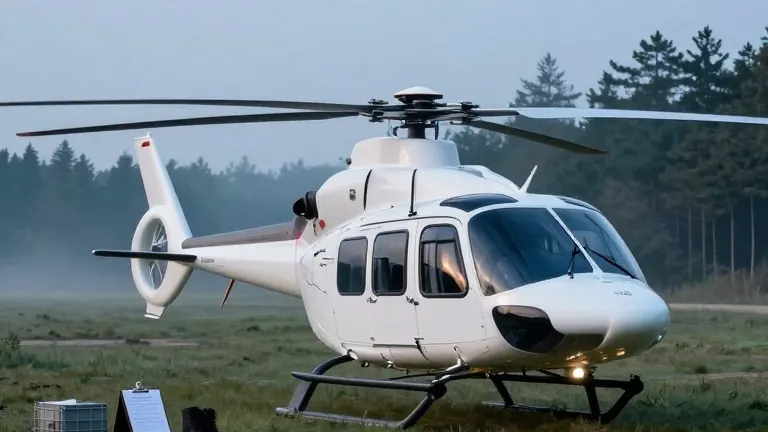
LifeFlight of Maine, an independent nonprofit air medical provider, has equalized compensation for its paramedics and flight nurses. CEO Joe Kellner implemented the change to address recruitment challenges. Industry standards typically pay paramedics less than nurses to control operational costs, but Kellner believes the parity helps attract candidates to the role.
The pay adjustment is part of a multi-part retention strategy. Since 2023, the company has operated a six to eight month orientation program called the Critical Care Academy. This training regimen covers advanced critical care skills and includes frequent simulations using mannequins and biological tissues, such as a pig trachea for intubation practice. LifeFlight also hired a full-time mental health counselor to support staff dealing with trauma exposure.
These initiatives have stabilized staffing levels. For the first time in nine years, the organization is nearly fully staffed. Previously, LifeFlight retained only 60% to 70% of its workforce annually. Kellner estimates that the cost of training a new clinician is approximately $100,000, making the investment in counseling and training a financial necessity if it prevents even two or three departures per year.
Demand for air medical transport in Maine has doubled since 2015. In 2025, LifeFlight crews completed 3,031 flights, averaging more than one flight every three hours. Demand increased by another 10% in 2026. Most of these transports are interfacility moves, where clinicians stabilize patients at small local hospitals before flying them to larger trauma centers. Scene calls for roadside accidents account for less than 10% of the company's workload.
The expansion of air medical services fills gaps created by the contraction of rural healthcare. As rural hospitals close or convert to outpatient facilities, ground ambulance stations often struggle to meet rising demand. Nicholas George, who runs the ETHOS Database for air medical programs, stated that the need for air medical services is increasing year over year. In Maine, the fragmented nature of the ground EMS system has sometimes left patients without a responding unit, as happened last year when a woman in a northern town died while dispatch called 10 services.
Retention in the emergency medical services sector is difficult due to low pay, long shifts, and high mental health burdens. Almost a quarter of ground-based EMS workers leave the field annually. Flight clinicians face additional stresses, including dangerous landing conditions and rigorous certification requirements. Paramedic Brian Merklin, who previously worked in Nevada, noted that about a third of his staff quit during the pandemic due to nonstop flying and four-day shifts.
Mike Abernethy, a retired emergency medicine professor at the University of Wisconsin, identifies LifeFlight as a model program. He argues that the nonprofit structure and focus on medical quality distinguish it from the for-profit sector, which often faces criticism for high billing rates. LifeFlight is one of the few independent nonprofit air medical companies in the United States.
The company continues to expand its mentorship program to build a pipeline of qualified recruits. Some mentees attend the academy and gain skills even if they do not immediately join the workforce. Recently, LifeFlight hired one individual from its previous year's mentee cohort. The organization aims to maintain its staffing levels as Medicaid cuts, estimated at $911 billion over ten years by the Congressional Budget Office, threaten further rural hospital closures.
More Business · Consumer Watch · Report a business · Got a Story?