57 Million Early Votes Signal Historic Turnout Surge
Democrats and Republicans both cite the record early vote to explain the wave that shifted power in Washington and statehouses.
By Chioma Kuznetsov ·
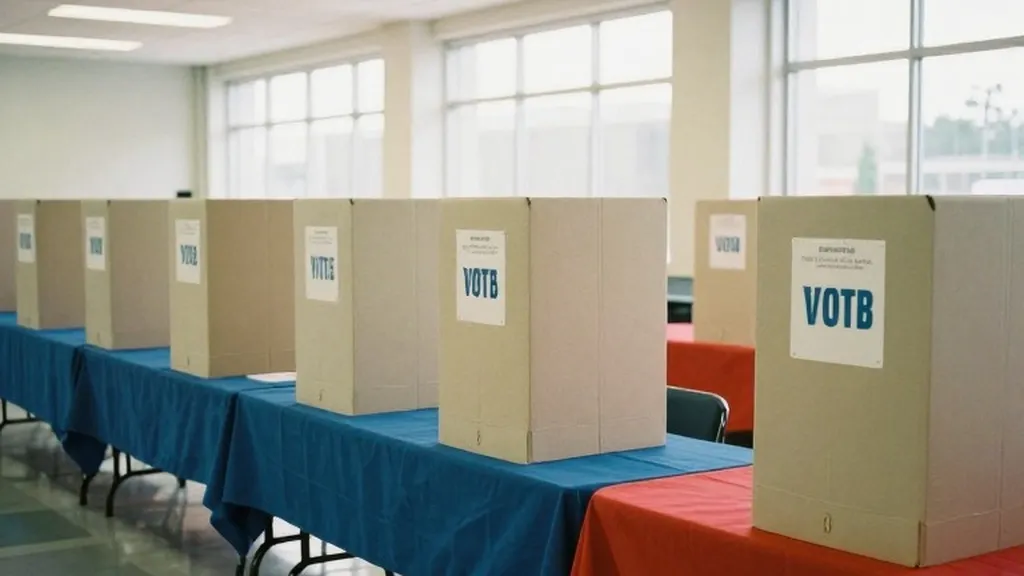
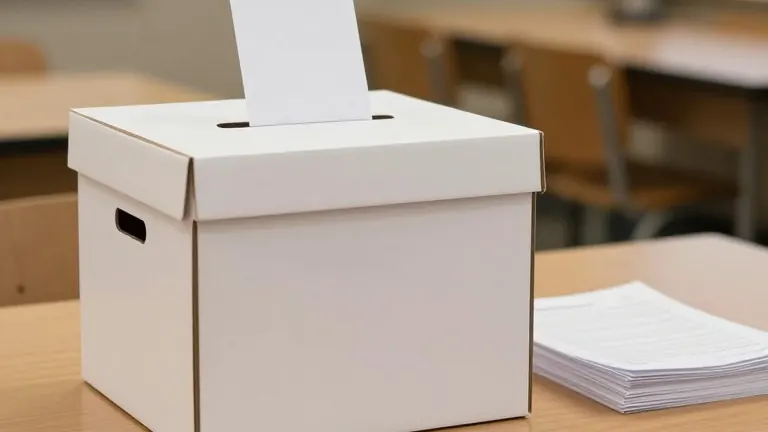
The 2026 midterm election concluded with a decisive shift in power that both major parties attribute to an unprecedented level of early voter participation. A total of 57 million Americans cast their ballots before Election Day, a figure that analysts and party leaders alike describe as a primary driver of the final results. This surge in early voting helped Democrats secure majorities in both chambers of Congress, marking a significant departure from the political landscape of the previous two years.
Democrats won at least 43 House seats, capturing a majority of at least 250 to 157. In the Senate, the party gained seven seats from Republican control, establishing a 54 to 44 majority. This net loss of seats for Republicans placed the election in the top 20 percent of election years in terms of seat swings against a president’s party, meeting the criteria for a wave election in the upper chamber. The House results, while strong, remained just short of the 48 seat loss threshold required for a wave classification, though uncalled races could alter that total.
The ground game played a crucial role in mobilizing these voters, with both parties deploying extensive outreach strategies. Democratic organizers emphasized door to door contact and local issue advocacy, particularly focusing on healthcare costs and the ongoing conflict with Iran. Republican teams countered with a strong emphasis on economic stability and national security, arguing that the early vote reflected a desire for continuity in leadership. Both sides claimed that their targeted efforts converted moderate and independent voters who had been hesitant to engage in previous cycles.
Party leaders offered specific insights into their turnout strategies. Democratic figures noted that the 57 million early votes indicated a high level of enthusiasm among younger demographics and urban voters. They argued that this base provided the momentum necessary to flip key districts that had been competitive in recent years. The party’s message centered on the need for a check on presidential power, a theme that resonated with voters who felt that the executive branch had operated with too little oversight.
Republican leaders acknowledged the scale of the early vote while framing it as a validation of their policy positions. They pointed to strong performance in suburban areas and rural districts where early voting was particularly accessible. The party maintained that the turnout reflected a split in the electorate, with some voters choosing to vote early to secure their preference before potential late night shifts in public opinion. This strategy aimed to lock in support before the final day of voting, when media coverage might influence undecided voters.
The results in state governments further illustrated the impact of the early vote. Democrats won a majority of governorships for the first time since before the 2010 elections, taking 22 of the 36 contested races. Republicans held 12 governorships, with two races remaining uncalled. This shift in executive power at the state level mirrored the federal results, suggesting that the early turnout was not isolated to national offices but was a broad-based phenomenon. The change in control of state legislatures also favored Democrats, who won 46 of the 88 chambers on the ballot.
The trifecta status of states shifted significantly as a result of the early voting surge. Twenty states ended up with Democratic trifectas, compared to 16 with Republican trifectas and eight with divided governments. Eleven states changed their trifecta status, with six moving from divided governments to Democratic control. This geographic spread of the Democratic win indicated that the early vote was effective in a variety of political environments, from deep blue states to competitive swing states. The consistency of the results across different regions reinforced the narrative that the early vote was a decisive factor in the overall outcome.
As the new Congress prepares to convene, the focus will shift from the mechanics of the election to the policy implications of the results. House Democratic leaders have already outlined their immediate priorities, including boosting Medicaid and restoring tax subsidies for health plans. The party aims to move quickly on legislation to stop the war with Iran and reverse certain trade tariffs, leveraging the early vote’s mandate for change. The 60 vote threshold in the Senate will remain a critical hurdle, as will the potential for presidential vetoes, but the early turnout has provided Democrats with a strong foundation to negotiate.
The 57 million early votes have reshaped the political map and set the stage for a new era in American governance. Both parties agree that the level of participation was historic, though they disagree on the underlying motivations of the voters. For Democrats, it represents a mandate for restoration and reform. For Republicans, it is a reminder of the enduring appeal of their core policies. The result is a Congress that must navigate complex legislative battles with a clear understanding that voter engagement was higher than at any point in recent memory.
The election results, finalized with Democrats holding at least a 250 to 157 majority in the House and a 54 to 44 majority in the Senate, underscore the importance of the early vote in determining the balance of power. The shift in state governments further cements the impact of this turnout surge, providing Democrats with control over key legislative and executive offices across the country. The 57 million early votes stand as a testament to the power of organized ground games and the decisive role that voter participation plays in shaping the future of American politics.