Kushner and Witkoff to push for European inclusion at Abu Dhabi talks
US envoys will tell Russia that Europe must join security negotiations immediately after the November 10 trilateral meeting.
By Aiko Soto ·
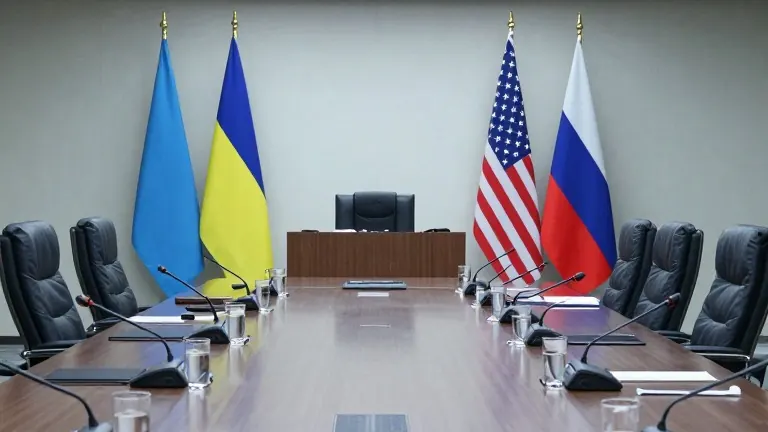
US President Donald Trump's senior advisers Jared Kushner and Steve Witkoff will press Russia to allow European nations to participate directly in upcoming security negotiations. This demand will be raised during the first trilateral talks between Russia, Ukraine, and the United States scheduled for November 10 in Abu Dhabi.
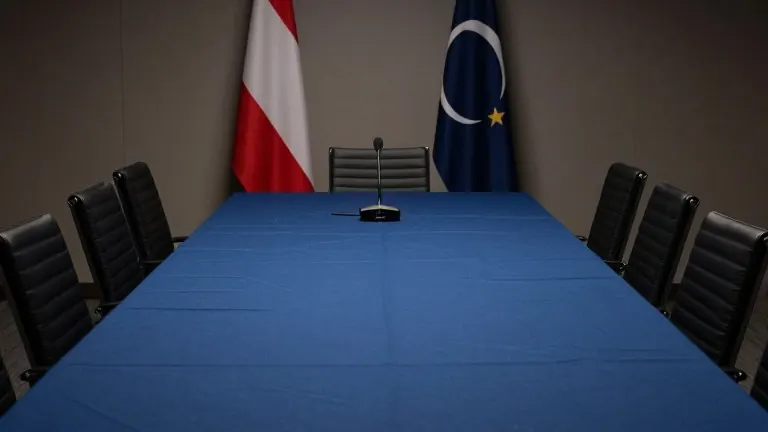
The envoys intend to use this meeting as a final step before expanding the negotiating table. Officials close to the White House stated that Kushner and Witkoff want the Abu Dhabi session to be the last round held without full European participation. They aim to accelerate the pace of diplomacy by bringing allies into the discussion immediately following the trilateral session.
One US official articulated the strategy clearly: "We need Europe at the table. So our proposal is to bring the Europeans into the discussion after this trilateral." The administration views recent direct contacts between European leaders and Moscow favorably. Specifically, officials noted that Finnish and Norwegian leaders called Russian President Vladimir Putin on October 27, a move the US sees as a necessary step toward more active engagement.
US representatives argued that Europe needs to hear the same messages Russia conveys to the US and vice versa. "We need a lot more European discussions with Russia so that they could be hearing what we're hearing and the message that they're conveying to us they could be conveying to Russia directly," the officials said. This approach seeks to reduce the information gap between the two sides of the Atlantic.
The question of who will represent Europe remains unresolved and is causing friction among allies. EU leaders will address this division at an informal summit in Dublin later this week. European governments are concerned that the US may agree to Russian demands to reduce NATO's influence in the region. However, US officials insisted that NATO will remain central to European collective defense, even as they argue the continent's relationship with Russia requires fundamental revision.
The US team acknowledged that Europe carries historical baggage regarding security architecture due to previous failed agreements with Russia. "We have to build something new that works today," one official said. This stance contrasts with positions held by other European leaders. German Foreign Minister Johann Wadephul has rejected calls for a new security architecture, while Ukrainian President Volodymyr Zelenskyy warned the administration on November 7 that its proposed plan could be dangerous given Russia's lack of desire to end the war.
The upcoming Dublin summit will be the next major venue where European leaders can coordinate their response to the US proposal. The timing is tight, as the Abu Dhabi talks are set to conclude before the informal summit takes place. The outcome of these two events will determine the structure of the next phase of negotiations.