Democrats end GOP supermajority
Republicans kept all statewide offices, but the loss of legislative control forces a shift toward compromise in Tallahassee.
By Chioma Kuznetsov ·
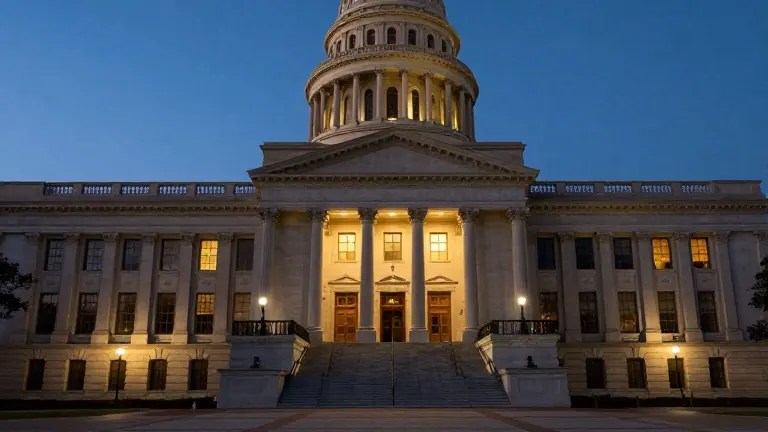
Democrats in Florida achieved their primary goal for the 2026 midterm cycle by ending the Republican supermajority in the State Legislature.
Governor Ron DeSantis described the national midterm results as close to an extinction-level event for Republicans. However, he pointed to Florida’s performance as evidence that the state withstood the Democratic wave. In that contest, Republican candidates won every statewide race.
Politico reporter Kimberly Leonard argued that DeSantis’s framing prioritized narrative over the specific changes in the State House. She noted that Democrats made substantial inroads in lower districts. This shift creates a different atmosphere in the legislature compared to previous sessions. The Democratic goal at the start of the season was to break the supermajority, and they succeeded.
The change in majority status alters how bills move through the chamber. Leonard said Republicans can no longer fast-track their legislative priorities. Centrist Republicans in the State Senate are also expected to break with the party line more often. This dynamic will require more compromise and slow the legislative process. The speed at which the GOP has previously pushed bills through will decrease.
Democrats did not win any statewide offices in this cycle. Senator Angie Nixon, the Democratic candidate, ran against Republican Ashley Moody for the Senate. Leonard said Nixon raised her profile rapidly during the campaign. She described Nixon as a formidable opponent. Leonard added that Republicans privately expressed admiration for the campaign. Public criticism did not stop private praise for Nixon’s performance.
DeSantis stated he would call a special session to discuss the implementation of Amendment 3. A disagreement exists over which legislature should convene to decide on the bill’s enactment. If DeSantis calls the special session, it will occur before the newly elected lawmakers are sworn in. Leonard said Governor-elect Donalds will likely be responsible for managing the fallout. DeSantis may orchestrate the initial steps, but the incoming administration will handle the consequences.
The new legislative balance means the party in power must negotiate with the opposition on key issues. The absence of a supermajority removes the ability to override vetoes or pass constitutional amendments by simple party vote. Lawmakers in both chambers will need to build coalitions to advance their agendas. The transition period between the outgoing and incoming legislatures adds another layer of complexity to the amendment process.