Brazil's Service Sector Decides Runoff
As factory closures rise and 33 million voters abstain, Lula faces a shift from industrial to gig economy workers.
By Ayanda Boateng ·
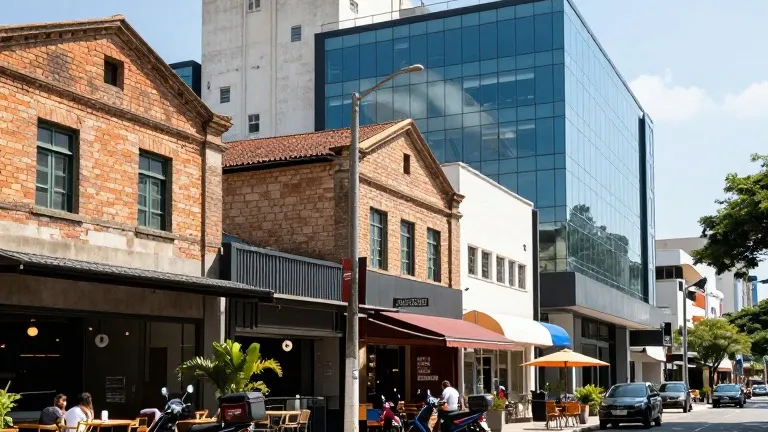
Brazil heads into its presidential runoff on Sunday amid a sharp decline in industrial employment. The shift from factory work to service jobs has altered the political calculations in key swing states. In Osasco, a suburb of São Paulo, shopping centers and delivery app offices have replaced metal and chemical plants.
The municipality voted for President Luiz Inácio Lula da Silva in 2022 but supported Flávio Bolsonaro in this month's first round. Bolsonaro leads nationally, a position that has guaranteed victory for first-round winners since 1989. Gilberto Almazan, a metalworkers' union leader in Osasco, notes that five malls were built where factories once stood. He describes the traditional union movement as stuck in the Middle Ages.
Many Brazilians now work as drivers or food couriers, a trend Almazan calls Uber-isation. Richard Lapper, a biographer of both main candidates, argues that Brazil industrialized late and deindustrialized early, creating sharp economic contrasts. He calls Lula a victim of his own success, noting that while unemployment is at a record low and the country left the UN Hunger Map, high prices and debt have eroded the feeling of progress.
Voters express frustration with the current administration despite statistical gains. Robson, a 53-year-old civil servant, blames government mismanagement for high taxes. Tairine, a hot dog seller who previously abstained, says nothing has changed since Lula returned office. Gisele Bonfim, a lawyer who voted for Lula in 2022, cites a hope for change under Bolsonaro. The first round saw 33 million abstentions, the highest number since 1998.
Flávio Bolsonaro proposes cutting government spending and ministries while retaining key welfare programs. He denies corruption accusations against him. Lula's campaign counters with large street rallies, claiming one event in São Paulo drew one million people. The 80-year-old president uses social media to dispute age-related criticisms, referring to himself as the king of selfies.
In the favela of Maré in Rio, Lula retains support among the poorest residents. Vitoria, an 18-year-old mother earning under 300 pounds a month, values the increased minimum wage and free medicine. She fears Bolsonaro's plan to classify the Comando Vermelho gang as a terrorist organization, citing police raids that killed over 130 people last year. Resident Andreza Dionísio cites last-minute polling station changes and hopelessness for low turnout.
Evangelical churches, attended by about a quarter of Brazilians, are expanding their social role with childcare and food programs. Pastor Silas Malafaia, who is under investigation for obstructing the coup trial of Jair Bolsonaro, supports Flávio Bolsonaro on family values and abortion. The first round results suggested a rejection of Lula rather than a clear endorsement of his rival.
More Politics · World news · Report a business · Got a Story?