St. Pete Beach hotel clears noise dispute after $335 fee
A months-long legal battle over rooftop equipment at The Luce ended Monday when city inspectors found no violations.
By Ayanda Boateng ·
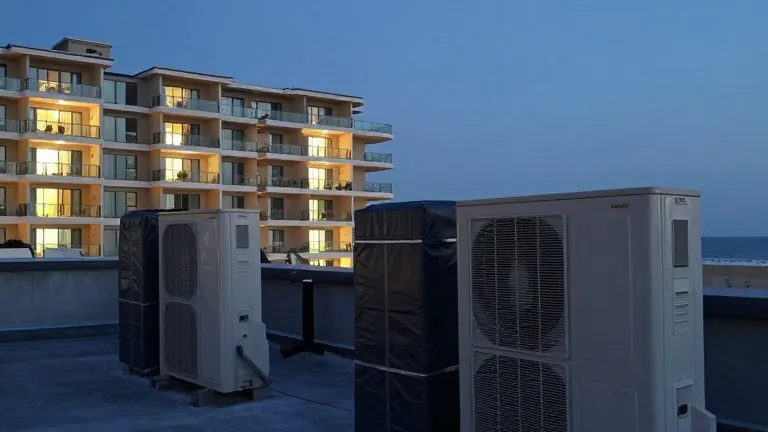
The Luce, a 200-room hotel in St. Pete Beach, has officially ended a months-long legal dispute over noisy rooftop air-conditioning equipment. Special Magistrate Erica Augello ruled Monday that the property is in compliance with local noise ordinances as of October 28. The city imposed no fines, assessing only $335 in administrative costs to close the enforcement case.
The conflict began when residents of the neighboring Silver Sands condominium complex complained that the hotel's cooling system disrupted their sleep. The property, which dates to 1957 as the Colonial Gateway Inn and later served as the Postcard Inn, reopened in June as part of Marriott's Tribute Portfolio after closing in 2024 for hurricane damage repairs. At a July hearing, resident Lisette Natoli testified that the equipment kept her from enjoying coffee on her balcony and disturbed her sleep, even with hurricane shutters closed.
Initial inspections in late June found the hotel in violation. City inspectors measured noise levels from five neighboring units on June 29. Four units exceeded the city's nighttime limit of 55 decibels. The hotel responded by installing sound-dampening blankets around the equipment, a measure that reduced noise but did not satisfy city requirements. Attorney Kevin Reali noted that a custom-engineered damper could cost six figures and take months to install.
By August, hotel staff discovered that the software controlling the cooling equipment had not been properly calibrated. Reali told the magistrate that adjusting fan speeds and operating times reduced noise levels by 10 to 13 decibels. While daytime measurements showed compliance, overnight testing remained unresolved. At a September 14 hearing, the city presented additional readings that still exceeded local limits, including data from neighboring units during overnight hours.
Reali questioned the variability in the city's measurements, noting that some readings differed by nearly 20 decibels within minutes. He requested independent testing before the hotel committed to expensive hardware changes. "It is going to be potentially six figures to engineer the damper," Reali said, "and we can't do that on a random measurement." Augello granted the request, and the hotel submitted its own sound study for review.
At Monday's hearing, code enforcement officer Ayako Ruckdeschel stated that the city reviewed the independent study and accepted its findings. Inspectors conducted a final round of testing at the neighboring condominium units on October 28. Ruckdeschel reported that no violations were found. The city requested that the case be closed with the hotel responsible only for administrative costs.
Augello agreed to the closure, finding the property in compliance. Reali accepted the $335 charge on behalf of the hotel. The hearing did not specify what additional work, if any, had been performed on the cooling equipment since September. "We are very happy to finally be at the end of this one," Reali said.