
North Carolina researchers map out next steps for coastal industry
A new report from RTI International and NC EcoTech details how the state can expand its marine economy by adopting new technology and streamlining regulations.
By Aiko Soto ·
RTI International and NC EcoTech have released a report outlining how North Carolina can expand its marine industry. The study identifies specific ways to support coastal businesses. It focuses on adopting new technologies, creating a statewide plan, and removing regulatory barriers that currently slow down innovation.
The work builds on existing economic activity along the state’s coast. That activity includes commercial fishing, aquaculture, boat building, shipping, and coastal resilience efforts. Jessica Wilkinson, an economic development researcher at RTI, notes that these sectors are often disconnected from one another. She says tourism can sometimes conflict with aquaculture, but the state has a long history of fishing and fish farming that spans from the western regions to the coast.
Adams Bailey, a research economist who also worked on the report, points out that North Carolina has a unique amount of coastline. He argues that protecting that land from erosion and maintaining habitats supports environmental sustainability. This physical infrastructure helps support the broader economic goals of the blue economy.
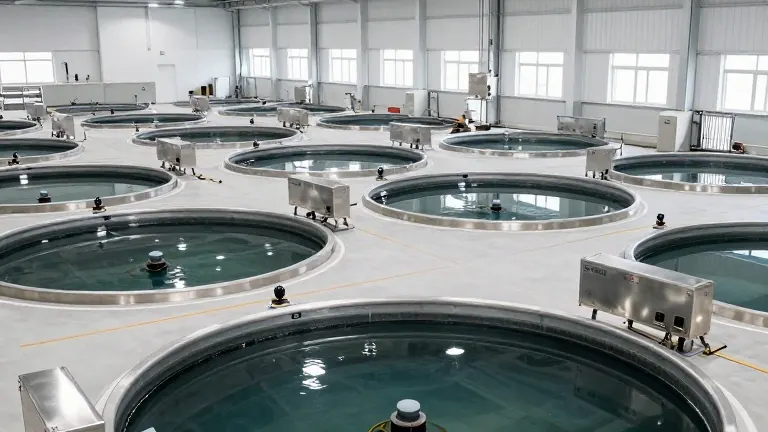
The researchers recommend that current and future farmers and fishermen adopt new tools to increase production. Wilkinson lists artificial intelligence, remote sensing, and recirculating aquaculture systems as key technologies. She emphasizes that these tools are becoming available daily and that workers need clear access to them to stay competitive.
Bailey cites Hima Seafood, a Norwegian company, as an example of this technology in action. The company uses recirculating aquaculture systems to farm fish. It is considering an investment in North Carolina. While the company has not yet announced a specific location, Bailey says a potential move would create jobs and allow the state to produce seafood locally using clean, sustainable methods.
The NC EcoTech project that funded this work ended about a year ago. Much of the initial momentum came from federal investments, including support from the National Science Foundation. Wilkinson notes that the landscape for federal funding has shifted, and some time-limited efforts have concluded. The report serves as a call to action for new stakeholders to step in and provide support.
The report also addresses the regulatory environment. Researchers spoke with industry participants who described current regulations as being applied on a case-by-case basis. Wilkinson says these bottlenecks can slow the implementation of new technologies. The study urges policymakers to create a more consistent framework to help businesses test new ideas without unnecessary delays.
The findings from the study are now available for stakeholders to review. The report provides a framework for state and local leaders to consider as they look to grow the coastal economy.
More Business · Consumer Watch · Report a business · Got a Story?