Madison students cap Halloween spending at $100
Nationwide Halloween spending is projected to reach $13.5 billion, but local students aim to keep individual costs under a strict limit.
By Chioma Kuznetsov ·
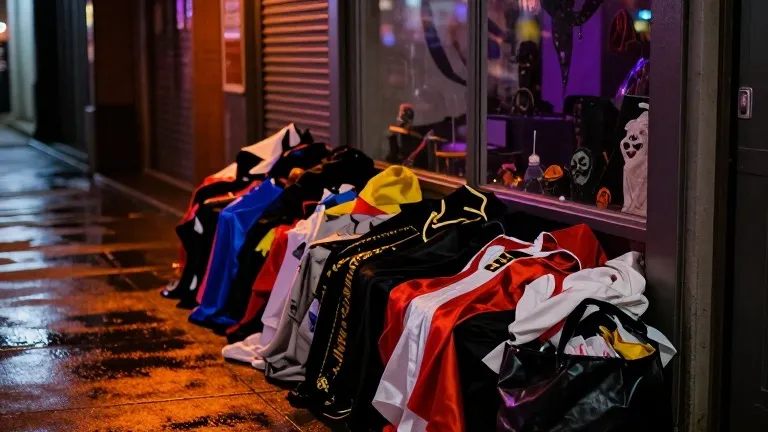
Halloween spending is set to surge this week.
The National Retail Federation projects that Americans will spend $13.5 billion on Halloween items in 2026. That figure translates to an average expenditure of $115.14 per person. University of Wisconsin-Madison students are attempting to stay below that national benchmark.
Three students surveyed by The Daily Cardinal said they intend to limit their total Halloween costume costs to $100. Hadley Wendorff, a senior, noted that campus social norms often drive higher spending. "If your friends have a great costume you wanna have a great costume too," she said. She observed that many students purchase multiple elaborate outfits for a single weekend.
Junior Lily Myhra said she typically spends between $50 and $100 on costumes found on the resale platform Depop. Junior Matteo Rovera attributed his higher spending habits to yearly trends. "There's fads for the year," he said. "I would probably only ever wear one Halloween costume a year, but because of what my friends are doing, I have three this year."
The push to keep costs down coincides with growing concern over the environmental impact of fast fashion. Fashion production contributes 10% of global carbon emissions and pollutes waterways. Approximately 85% of textiles end up in landfills annually. Buying a costume for a single night of wear fits directly into that disposal pattern.
Students on campus often choose characters from current media, such as shows like "Off-Campus" and "Odyssey," or internet memes like Punch the monkey. Madison’s student nightlife sees some of its busiest crowds during Halloweekend, with costumed pedestrians filling State Street. The social pressure to look good can lead to reliance on low-price, fast-shipping retailers like Shein, Amazon, and Spirit Halloween.
To manage budgets and reduce waste, students suggest several strategies. They recommend shopping secondhand on Vinted, Facebook Marketplace, or local thrift stores. Others suggest borrowing costumes from friends or searching family closets for reusable items. The goal is to purchase clothing that can be worn again, whether for daily use or future events, rather than buying disposable outfits from major fast fashion outlets.