Kenyan Judge Orders 200 Years for Cult Leader in Mass Child Murder Case
Paul Mackenzie was sentenced in Mombasa for the starvation and killing of 190 children and one adult, with over 400 bodies recovered from a forest site.
By Aiko Soto ·
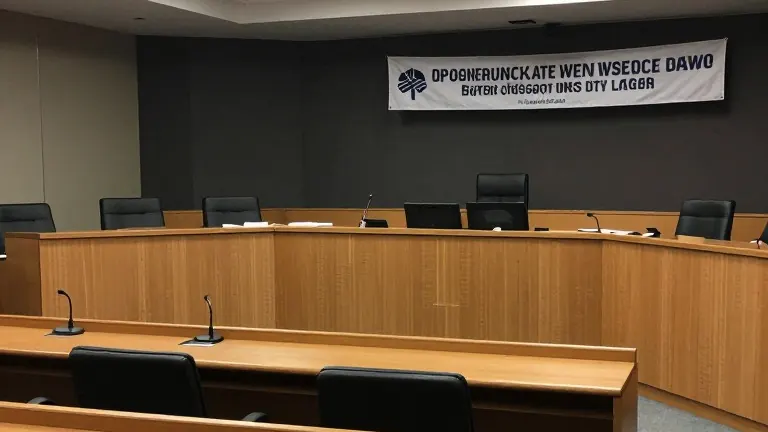
A Kenyan court has sentenced Paul Mackenzie, the former taxi driver who led a doomsday sect, to 200 years in prison. The ruling was delivered on Friday in Mombasa, exactly two weeks after the court found him guilty of the charges. The sentence addresses the deaths of 190 children and one adult within his Good News International church.
Justice Diana Kavedza-Mochache split the penalty into two equal components. Mackenzie was ordered to serve 100 years for murder by starvation and another 100 years for direct homicide. The judge presided over a hearing that lasted more than eight hours. She noted that in some instances, children were isolated and denied food while their parents were forced to watch.
Prosecutors described the sect as a Christian doomsday group that instructed members to starve themselves and their children to reach heaven before the end of the world. Accomplices used threats and physical beatings to enforce compliance. Investigators later found emaciated bodies in shallow graves and latrines. In some cases, victims were buried while still alive.
Mackenzie was first arrested in March 2023 after a police tipoff. A man reported that his brother and sister-in-law had starved their children to death on the leader's orders. Although initially released on bail, Mackenzie was rearrested after relatives claimed he moved up the predicted date for the apocalypse. Police then began a systematic search of the Shakahola forest in south-eastern Kenya.
More than 400 bodies have been recovered from the forest site to date. Many remains were in a state of severe decomposition, meaning only 26 victims could be formally identified. Mackenzie's church had been shut down in 2019 following a police search of its premises. He relocated his followers to the forest after that closure, despite being on the radar of authorities since 2017.
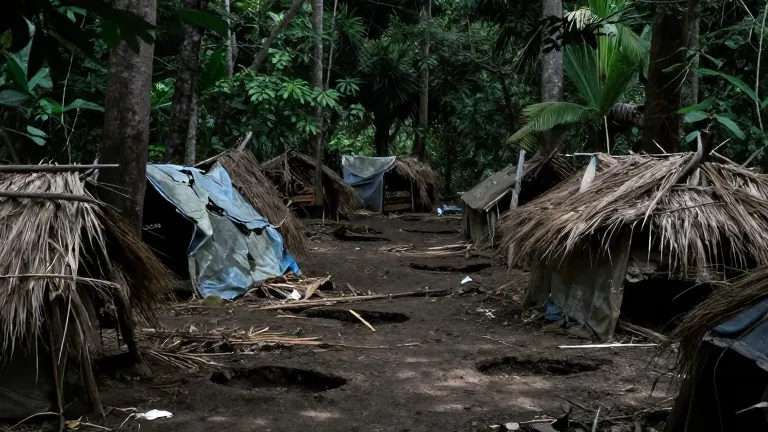
During the trial, Mackenzie denied the murder charges. He maintained that he did not force the victims to starve, but the court rejected this defense. He imposed strict rules on his community, forbidding members from sending children to school or visiting hospitals. He labeled such institutions as satanic. Followers lived in makeshift shelters built from polythene sheeting and thatch, which were divided into sections with biblical names like Jerusalem and Judea.
The judgment covers 191 deaths, while investigations continue into more than 200 other fatalities. Mackenzie faces additional charges related to the deaths in the forest, including terrorism. He has denied these charges as well. Prosecutors stated that while he was in detention, he directed the deaths of 52 people in Kwa Binzaro village, located about 18 miles from Shakahola. He has pleaded not guilty in that separate case.
The case has raised questions about how Mackenzie continued to operate despite previous police attention. The incident has sparked calls for stricter oversight of religious organizations in Kenya, a country where faith plays a central role in public life. The mass graves were first discovered more than three years ago, and the tragedy has captured national attention since then.