Jack Dorsey's Block launches voice model that learned speech without text
The company says the new system, named Dessa, was trained exclusively on human conversation and can run on a standard MacBook Pro.
By Aiko Soto ·
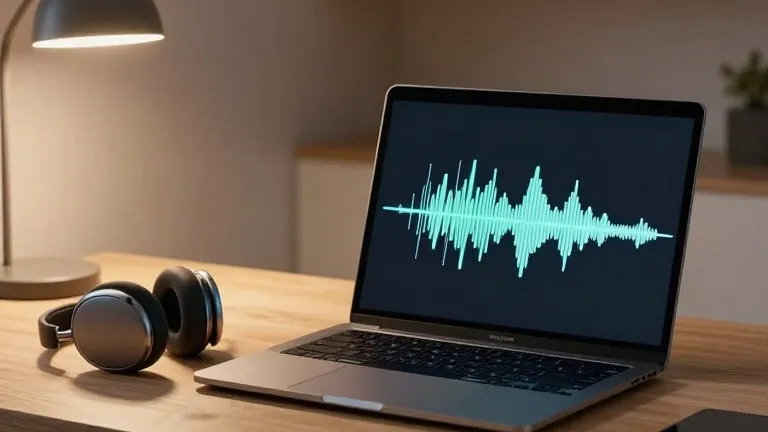
Block has released a new artificial intelligence model named Dessa that was trained entirely on audio. The company, led by Jack Dorsey, states the system was built from scratch using only human conversation. It did not use written text during the training process. Block published audio clips to show how the model performs in real time.
Ragavan Thurairatnam, who leads the project at Block, shared one sample recording. In that clip, the model initially mistakes the speaker for someone named Ronaldo. The rest of the exchange flows more naturally. The company hosts additional examples on the Dessa website. In one video, the topic shifts from Christopher Nolan films to Bryan Singer's Superman movies. In another, a user describes a surprise trip to Paris. The website notes that the model responds with what sounds like emotional gratitude.
Block describes Dessa as a true speech-to-speech model. The team says everything the system knows came from listening to human voices. They claim the software can run locally on a MacBook Pro equipped with an M4 Max chip or better. One clip pairs Dessa with OpenAI's GPT-Live-1 voice model. In that specific exchange, the model sounds more natural than in the standalone demos.
The developers list three main reasons for building the project. They cite curiosity, better understanding between humans and AI, and safety. The team compares the learning process to babies. They note that infants learn to talk without ever seeing a written word. They wanted to see if a machine could do the same. They say it can, but it is very hard.
The team argues that current voice assistants do not use speech well. They say speech is the most natural way to interact with intelligence. However, they claim today's systems flatten speech into text and fail to match human timing. The safety argument focuses on emotion. The team says AI systems are becoming more independent but remain nearly deaf to the feelings in human voices. They describe a scenario where a person is in pain but the AI carries on because it cannot detect the distress. They call Dessa a step toward fixing that gap.
Block plans to give early access to a small group of AI safety researchers. The announcement did not include a date for a wider public release.