Google Health Update Boosts Workout Detection
The latest software release improves activity recognition to one hundred types and introduces new metabolic health reports for premium subscribers.
By Aiko Soto ·
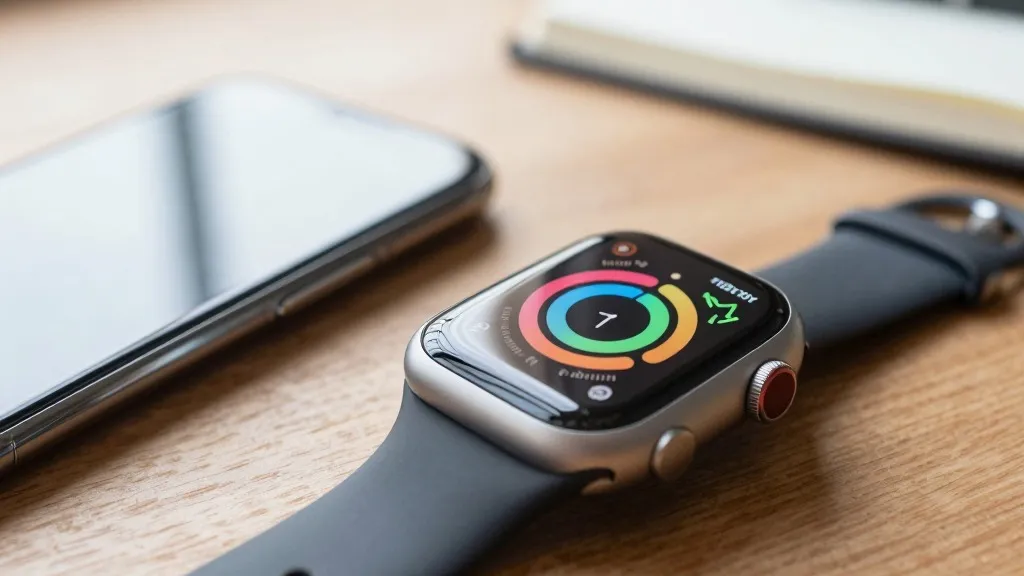
Wearable technology is moving beyond simple step counting to offer deeper insights into daily habits. This week, Google released version 5.11 of its Google Health application, marking a significant expansion of capabilities for its ecosystem of trackers and smartwatches.
The most substantial improvement in this release concerns automatic activity tracking. Devices can now identify up to 100 distinct types of exercise, a tenfold increase from the previous limit of ten. This expansion includes recognition of strength training, swimming, and various racket and team sports. The feature is currently live on the Fitbit Air and the Pixel Watch models 3, 4, and 5. The Fitbit Edge will gain this capability when it hits store shelves on October 27.
The accuracy of these detections has improved due to a new approach using contextual reasoning. The system analyzes a user's established workout patterns, historical records, and manual adjustments to make better guesses about what a user is doing. Google states that this method makes detections nearly twice as accurate and reduces the number of missed workouts by more than 50 percent. If a session meets the default 15 minute duration threshold and shows a sustained rise in heart rate, it is logged automatically. A summary of the activity typically appears in the app within 30 minutes. The system also learns from user corrections, refining future predictions as owners confirm or edit logged entries.
New monitoring tools are also arriving for subscribers to Google Health Premium who own a Fitbit Air or Fitbit Edge. These users can now configure two new Health Guardian features: blood pressure trends and insulin resistance trends. The first reports for these metrics are expected to be available at the start of November. Blood pressure data aims to help users spot patterns before they cause strain on the heart, while insulin resistance tracking follows monthly shifts in metabolic health.
Eligibility for these new reports depends on consistent device usage during October. To see blood pressure trends, a user must have worn the Fitbit Air for at least five consecutive days. Those tracking insulin resistance must have worn their watch for seven or more days and nights throughout the month. These reports will appear in the Health Guardian section of the app's Health tab.
The update also reorganizes how metabolic data is presented. The term Blood glucose has been changed to Glucose across the interface, accompanied by updated charts and graphs. Users with connected continuous glucose monitors can now set custom time-in-range goals. To do this, they navigate to the Metabolic section of the Health tab, tap Glucose, select Settings, and choose Set goal. In the United States, the Lingo device by Abbott can now connect directly to the app, allowing glucose readings to appear within 30 minutes. Premium members can also query Google Health Coach about their glucose trends. The connection is established by tapping the profile icon and selecting Partner Apps.
Sleep tracking has also seen refinements. The system now incorporates step data to more accurately capture brief awakenings, such as getting up to use the restroom. Additionally, users can directly remove a nap from the nap card if it does not accurately reflect their daily routine.
Version 5.11 is already available for iOS users and is currently rolling out to Android devices.