Deep brain stimulation restores steady hands to Phoenix woodcarver
Bill Daggett, an Arizona artist diagnosed with Parkinson's disease, regained the ability to carve wood after receiving electrical pulse therapy.
By Aiko Soto ·
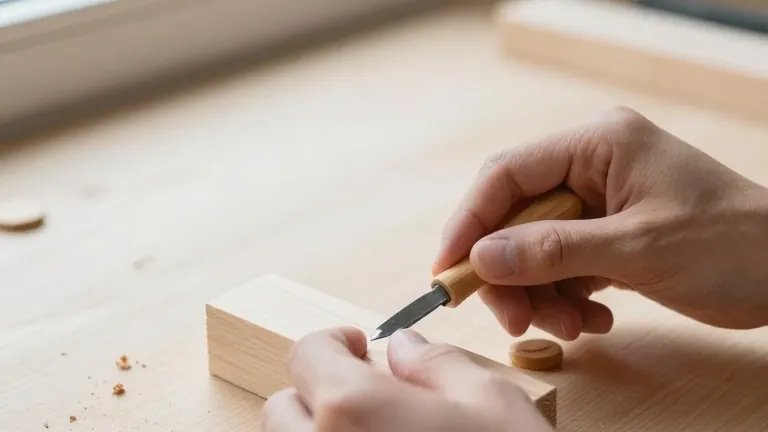
Bill Daggett can hold a carving knife steady again.
Daggett, a woodcarver based in Phoenix, Ariz., suffered from severe tremors caused by Parkinson's disease. The condition made it difficult for him to perform basic tasks, including eating. He described the physical struggle to a television crew, stating, "I couldn't even eat, hardly. I was shaking so bad, and I didn't want to go out anymore."
The diagnosis began when a physician attended an art show and observed Daggett's shaking. After medical evaluation, the artist was prescribed medication to manage symptoms. When pills proved insufficient to control the tremors, Daggett opted for deep brain stimulation, known as DBS.
DBS involves the implantation of a device that sends electrical pulses to specific areas of the brain. Sam Cradduck, a gerontologist who hosts the program Aging Untold, explained the mechanism by comparing the therapy to a cardiac pacemaker. "What they did was basically give his brain a pacemaker," Cradduck said. "You know, we're kind of accustomed to the thought of a pacemaker helping a heart keep rhythm."
Cradduck noted that the therapy helps the brain reset and reduce the progression of the disease. The treatment aims to lower side effects and stabilize motor functions. For Daggett, the procedure allowed him to return to his craft. His hands are now steady enough to carve wood, a skill he had feared losing to the shaking.
The case illustrates the intersection of medical technology and personal identity. Cradduck emphasized that the procedure addresses more than just physical symptoms. "We talk about the physical aspects of disease and aging all the time, but we forget to talk about the emotional loss," Cradduck said. "He was so connected with being the artist and being able to create, and the disease was robbing him of that."
Daggett's recovery demonstrates the practical impact of neurological interventions on daily living. The therapy has enabled him to resume his artistic work and manage the physical limitations that previously kept him isolated. The device continues to send pulses to mitigate tremors, supporting his ability to eat and create.
More Business · Consumer Watch · Report a business · Got a Story?