Blue-Green Lights Would Signal Driverless Cars to Drivers
Federal regulators want to standardize a new color for robotaxis to make them easier to spot on public roads.
By Chioma Kuznetsov ·
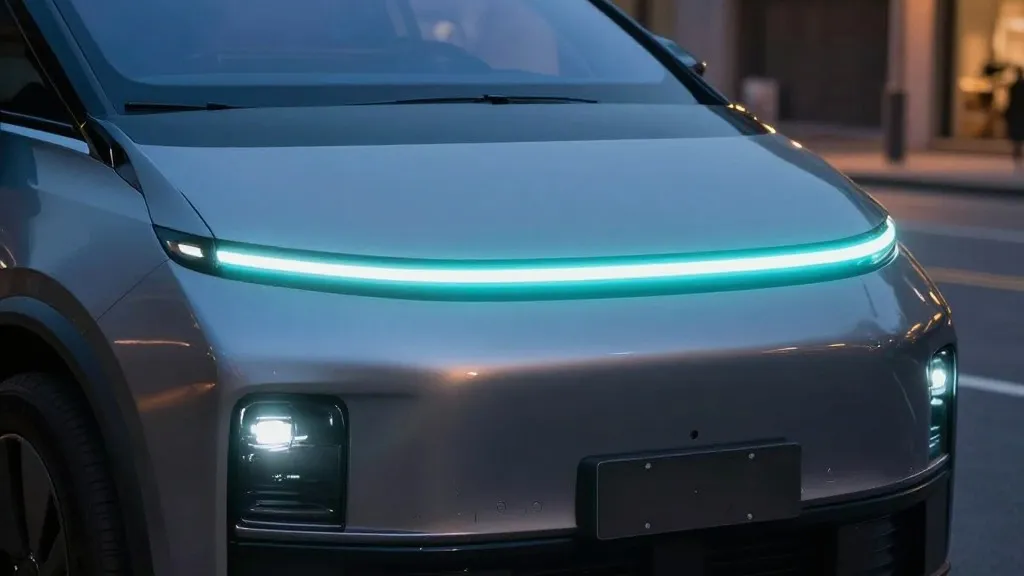
Drivers who share the road with robotaxis may soon see a new color on their dashboards and bumpers. Federal regulators have proposed that autonomous vehicles use cyan lights to show they are operating without a human behind the wheel. This change aims to make it simpler for pedestrians and other motorists to tell if a car is fully automated. The proposal comes from the National Highway Traffic Safety Administration, which manages vehicle lighting rules.
The agency released draft changes to Federal Motor Vehicle Safety Standard No. 108. This standard currently controls how vehicle lights work. The new rules target autonomous systems specifically. They serve two main purposes. First, they reduce regulatory weight for cars that lack human drivers. Second, they create a unified way for robotaxis to communicate with their environment. The cyan color was selected because other colors are already taken. Red and amber handle braking and turning. White is used for headlights. Flashing blue and red are reserved for emergency vehicles. Cyan fills a visual gap without confusing drivers.
Some companies have experimented with similar ideas before. Mercedes-Benz received state approval for turquoise lights on its Level 3 Drive Pilot models. The automaker later moved to a different system called Level 2++. Despite this, NHTSA wants a national standard. It hopes that major players like Waymo, Nuro, and Zoox can adopt the same signals. Automakers such as GM and Mercedes could also use this consistent approach. The goal is to avoid a patchwork of different colors and signals across the country.
Under the current proposal, the cyan lights would not be mandatory for all manufacturers. Companies would choose whether to install them. However, if they do, the lights must follow specific federal requirements. These rules cover color, brightness, and placement. This ensures that any driver on the road knows what the light means. The agency wants to prevent a situation where every company uses a different shade or signal pattern.
The proposal also removes outdated rules that do not fit driverless cars. Current regulations require physical hazard switches and manual beam shifters. NHTSA suggests dropping these requirements. It would also update testing standards for 12.8-volt systems. This change allows manufacturers to use modern LED technology without extra administrative steps. The agency is also considering relaxing rules about the position of high-beam and low-beam lights.
These changes are part of a broader effort by the Department of Transportation. The department wants to speed up the rollout of autonomous vehicles. It aims to make it easier for makers to build cars without traditional controls like steering wheels and pedals. These features are designed for human drivers and may not be necessary for fully automated cars.
Regulators are still enforcing existing rules as they are written today. Last month, NHTSA started an audit query regarding the Tesla Cybercab. The agency is examining the technical data Tesla used to certify the vehicle. The main concern involves missing design features. These include sideview mirrors, pedals, and a steering wheel. All of these items are required under current federal standards. The proposal seeks to update those standards for the future.