Apple's Original iPod: 25 Years of Pocket Music Storage
The 2001 launch defined portable audio with 5GB of capacity and a $399 price tag, predating the smartphone era by half a decade.
By Chioma Kuznetsov ·
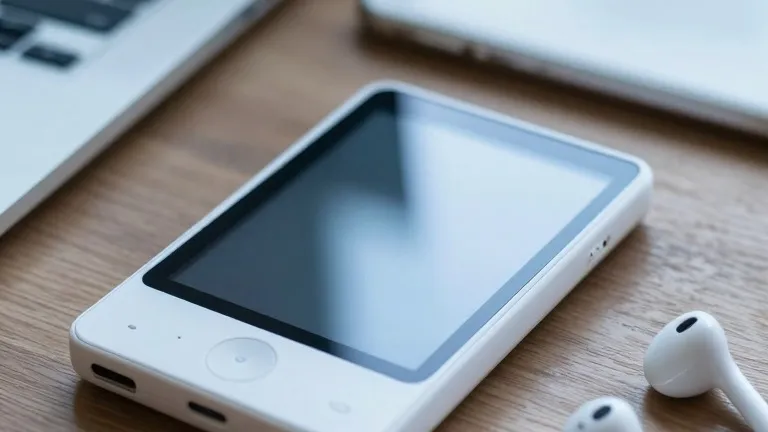
Twenty-five years ago on October 23, 2001, Apple CEO Steve Jobs introduced a device that altered how people stored and listened to music. The product offered 5GB of storage for $399, a capacity that held approximately 1,000 standard pop songs encoded as MP3s at 160Kbps. For the average consumer at the time, this represented their entire personal music collection in a single pocket-sized unit.
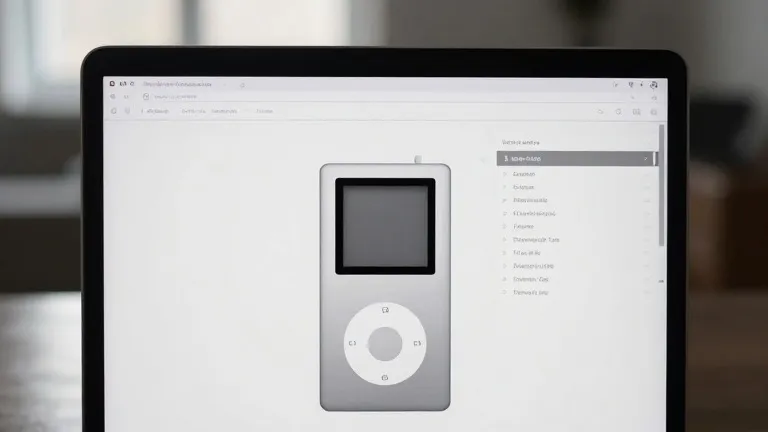
Jobs presented the iPod as a hard-disk jukebox player, a category he viewed as the most effective entry point into the portable audio market. While competitors such as Sony, Creative, and Sonic Blue already sold portable devices, Jobs argued that none had successfully solved the digital music experience. The device supported MP3, WAV, and AIFF formats, delivering CD-quality sound through a design that prioritized ease of use and tactile feedback via a piezoelectric clicker.
Technical specifications emphasized speed and portability. The unit measured 2.4 by 4 by 0.78 inches and weighed 6.5 ounces, making it lighter than most contemporary cell phones. It utilized a 1.8-inch hard drive from Toshiba and connected via FireWire 400. Jobs claimed this connection allowed a full CD to transfer in five to 10 seconds, a process that took roughly five minutes over standard USB connections of the era. A full library of 1,000 songs could sync in about 10 minutes instead of five hours.
The release coincided with the launch of iTunes 2, which introduced automatic synchronization features. When connected to a Mac, the iPod would match the user's library and charge simultaneously. The device also included a rechargeable lithium-polymer battery capable of 10 hours of continuous playback. Apple stated that an empty battery could reach 80% charge within one hour. The first track demonstrated during the presentation was Sarah McLachlan's "Building a Mystery."
Apple had been recovering financially from the dot-com bubble burst when the iPod debuted. Jobs positioned the Mac as the hub for a user's digital lifestyle, integrating the new player with existing hardware like cameras and DVD players. The device maintained market relevance for a decade, coexisting with the iPhone after its introduction in early 2007.
The iPod line eventually faded as smartphone capabilities expanded. The final model, the seventh-generation iPod Touch, released in May 2019, sat unmaintained for three years. Apple officially discontinued the product line in May 2022, ending a product cycle that began with the 2001 debut.